


What a run
3 cities, 4 workshops, 5 days.
We just wrapped a run of Creative Ops workshops in Miami, Toronto, and New York. Huge thanks to the entire Air team for putting this together.
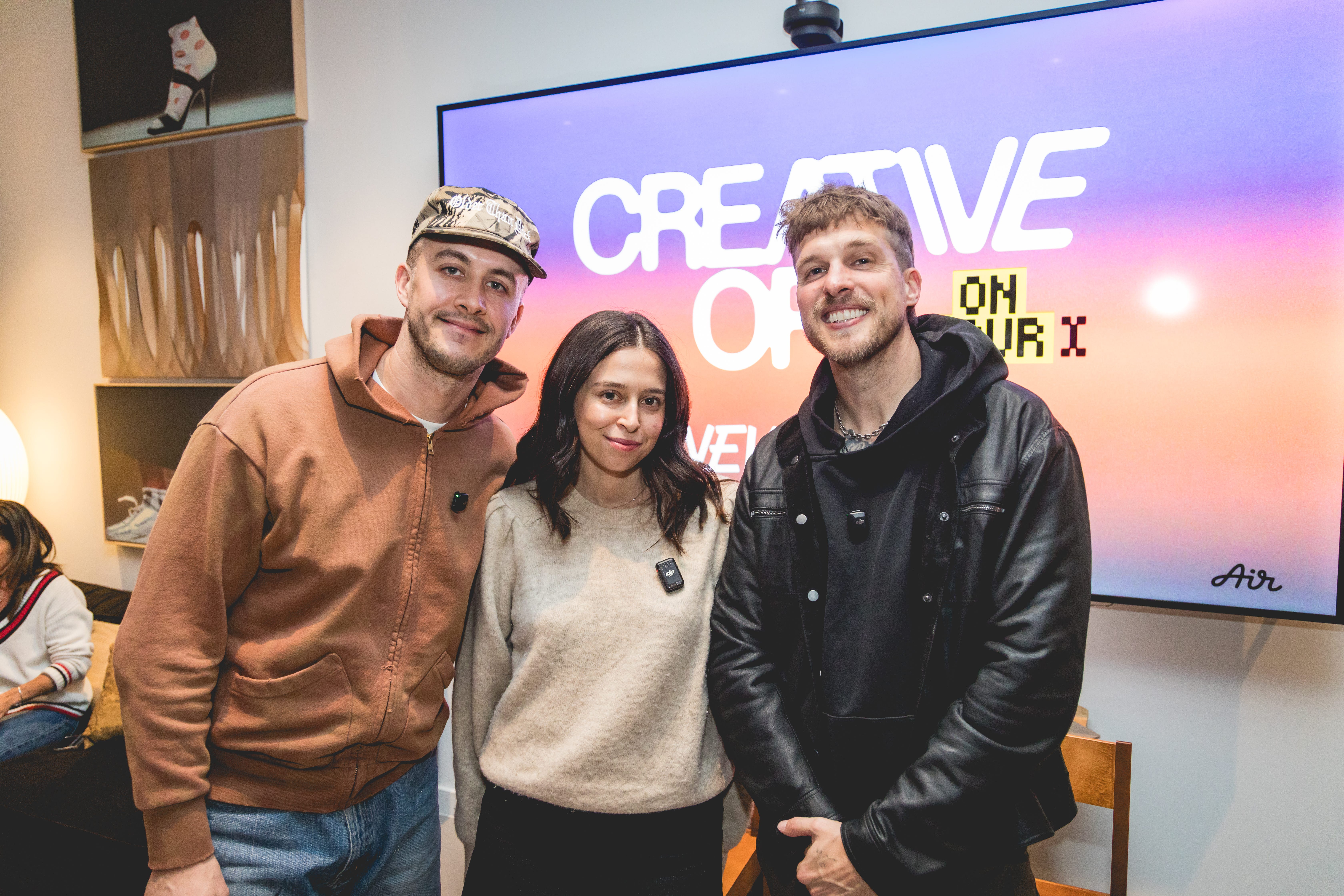
They knocked it out of the park.
It was really inspiring to meet so many creative people building their own ventures, producing great work internally at companies, or meeting with founders in the early stages of building businesses from the ground up.
At each workshop, we got many of the same questions:
How do we make better work without burning out?
How do we stand out without chasing everything?
And how do we build content systems that actually compound?
etc
And since most of you weren’t in the room, we wanted to share a handful of tactical ideas you can apply directly to your content or marketing teams. All this is grounded in what we’re seeing, hearing, and testing right now.
5 content themes for 2026
1. We’re so back (offline)
We’re seeing that people’s consumption habits are skewed towards experiences that reconnect them to their senses.
Obviously, this isn’t a novelty.
But it feels that way because of how we’ve been conditioned to consume things over the last decade.
In-person activities are becoming the gateway to real-world participation.
According to an Eventbrite social study that just dropped, 70%+ of Gen Z and millennials are more likely to attend activations and events if they know they can participate in something vs. just purely consume that thing.
And we’re seeing this happen in real-time.
CatGPT’s famous no-phone party in LA.
Daytime coffee raves.
Birkenstock’s meditation-focused dinner parties.
Wellness communities like Usal Project curating camping retreats in California.
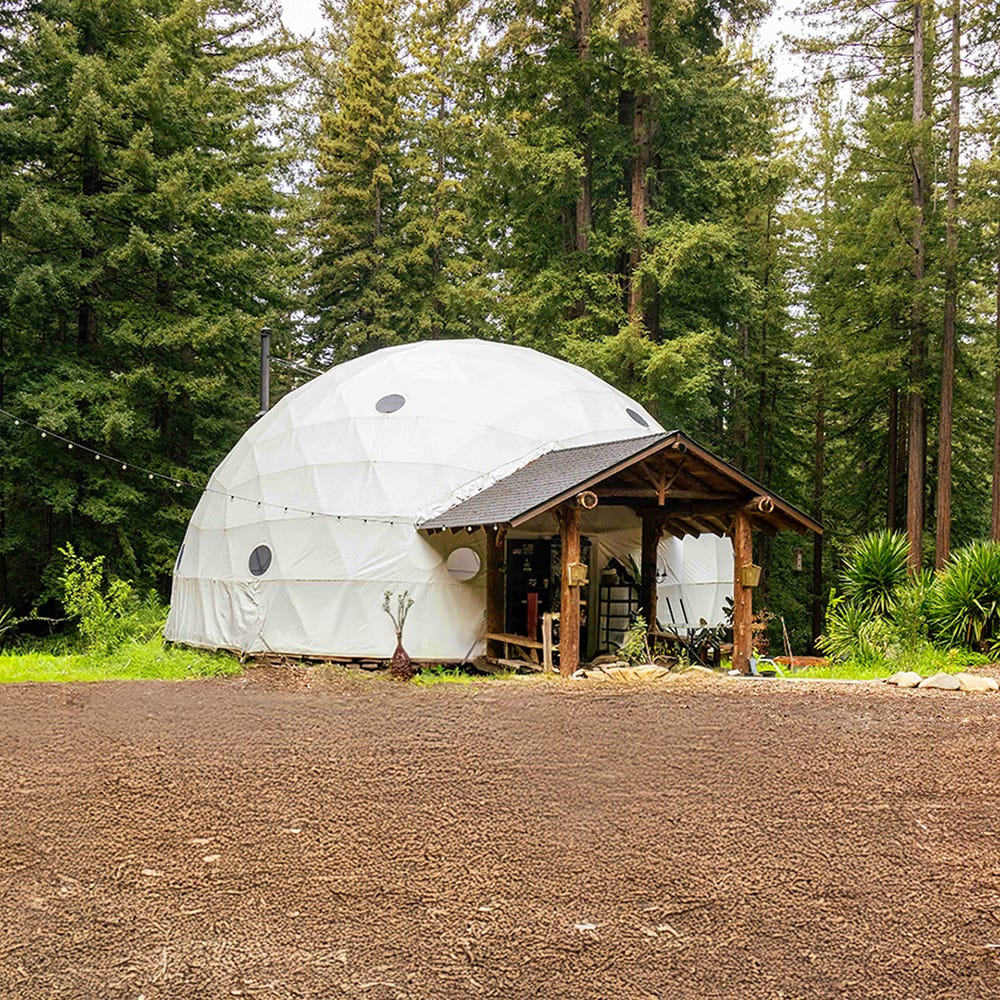
The takeaway is to think beyond “we should host a party at our store and serve people alcohol and call it a day.”
Instead, invest in ideas that allow people to experience things, not just observe.
Which leads to…
2. Hands-on and DIY are in
We’re also seeing this happen on both the brand and creator side.
From upcycling artist Nicole McLaughlin turning random objects into works of art (and getting paiddd for it) to Happy Mediums hobby-focused workshop classes, brands are utilizing different mediums to connect with the consumer where their product sits in the background.
3. Behind-the-scenes is the new medium
Showing how you think > telling people what you made
There’s a real interest in seeing people’s thought-process behind why they did something a certain way.
Why did you choose this fabric?
What did your moodboard look like for this campaign?
How did you source this thing?
Behind the scenes.
And to be clear, this is different than your classic “day in the life” or GRWM content. BTS is about decision-making, constraints, tradeoffs, and showcasing your taste.
Some timely examples of this below…
4. Connection through education
Many brands underestimate the value of using education as a sales gateway for their products.
But inviting people into a deeper story creates emotional buy-in.
Speaker designer Devon Turnbull is doing this with 180 Studios in London, creating moments to experience music on the best available sound systems. And the product is the facilitator.
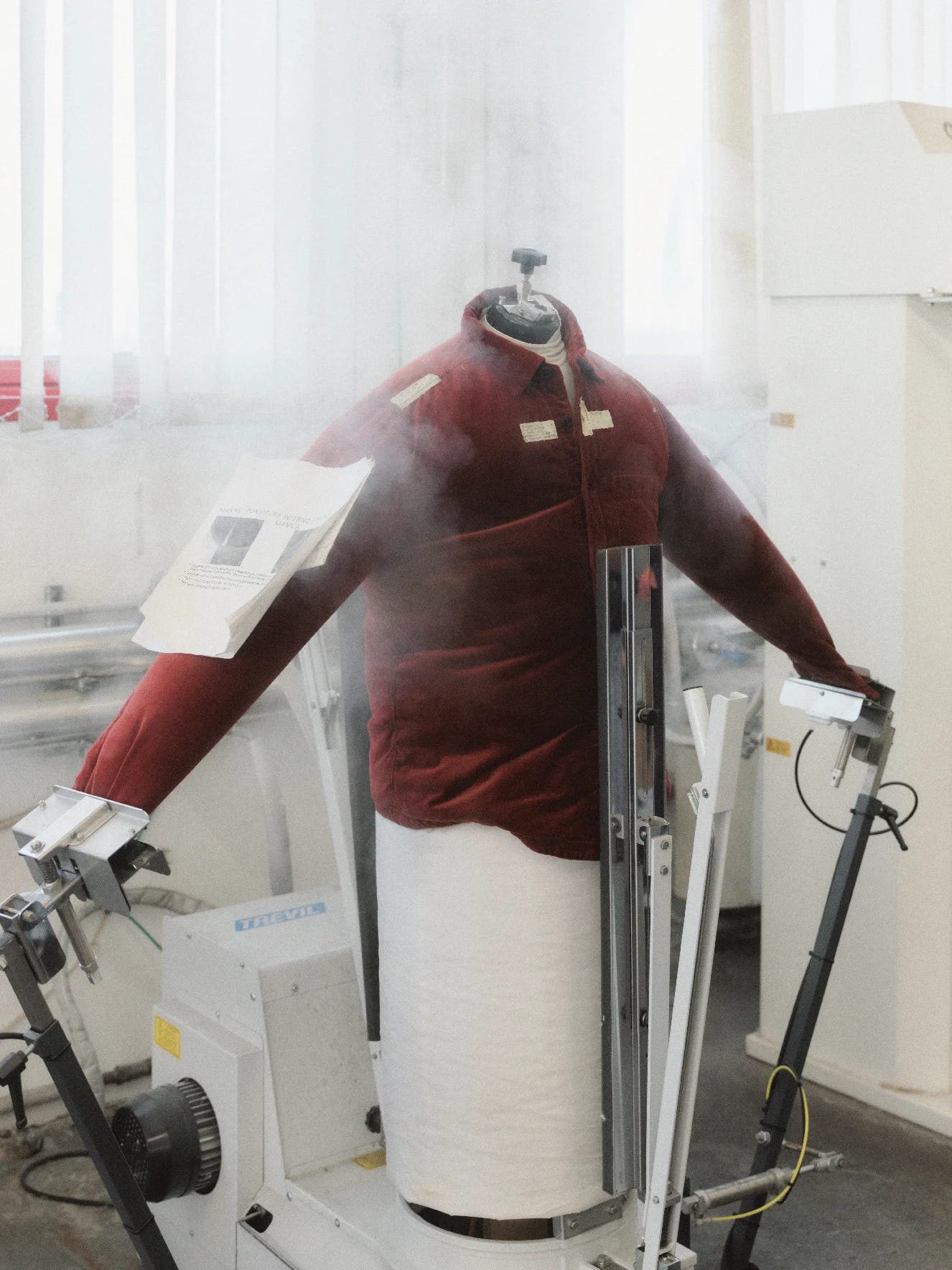
Stone Island’s prototype research archive in Milan opened to the public to showcase how fabrics and materials evolve through experimentation.
You can do this through activations and events, social posts, your website, and more. But you have to own that you have something to educate people on, and then own how you share it.
5. Owning a format
AI slop has lowered the barrier to entry for everyone to make “something,” and the more content there is, the harder people are trying to hook you into the first 3 seconds of their video.
At the same time, familiarity builds comfort and trust with the viewer. And those who optimize for consistent formatting have a significant opportunity to stand out.
While the user is wandering through the algorithmic void, seeing a creator or brand whose content series they recognize becomes sheer relief.
Ronning is doing this with their 30-second skits around London.
Don’t overthink it: Internet Anthropology does this by creating a consistent, interesting backdrop for each of her videos that matches the vibe of the content.
And you can do it too!
Systems for Creatives
One of our most asked questions… how do I get organized as a creative? 11 strategies are in the video below.
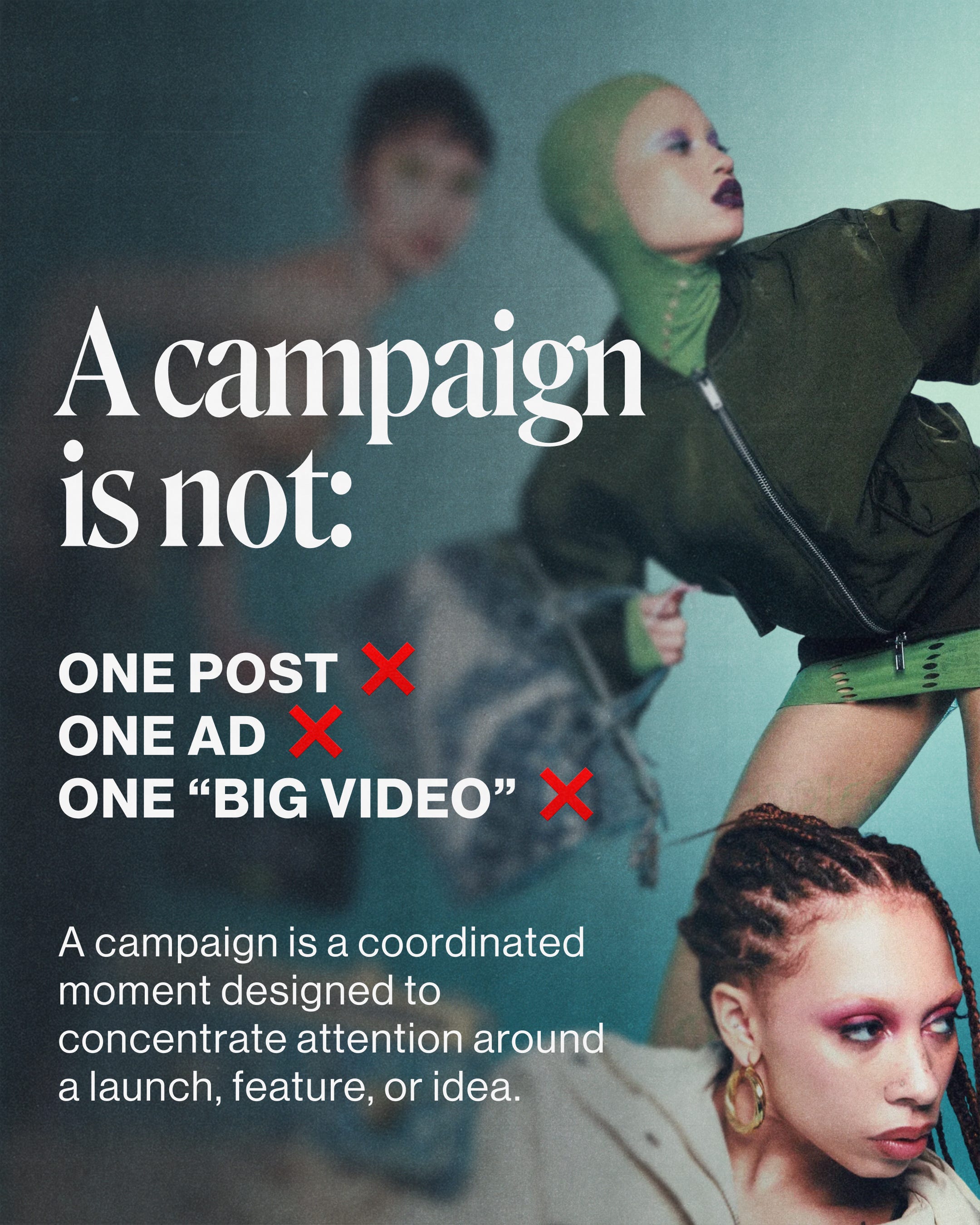
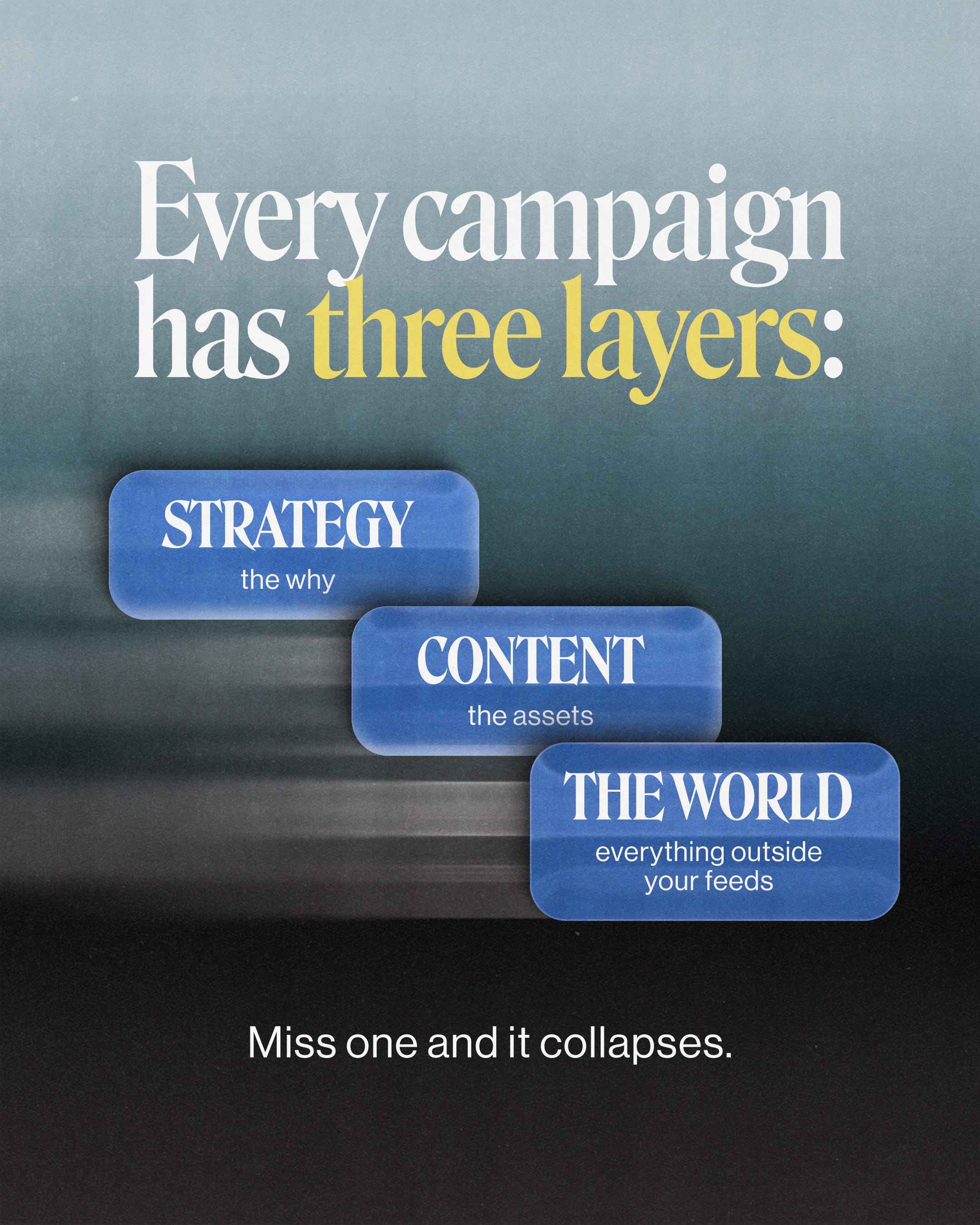
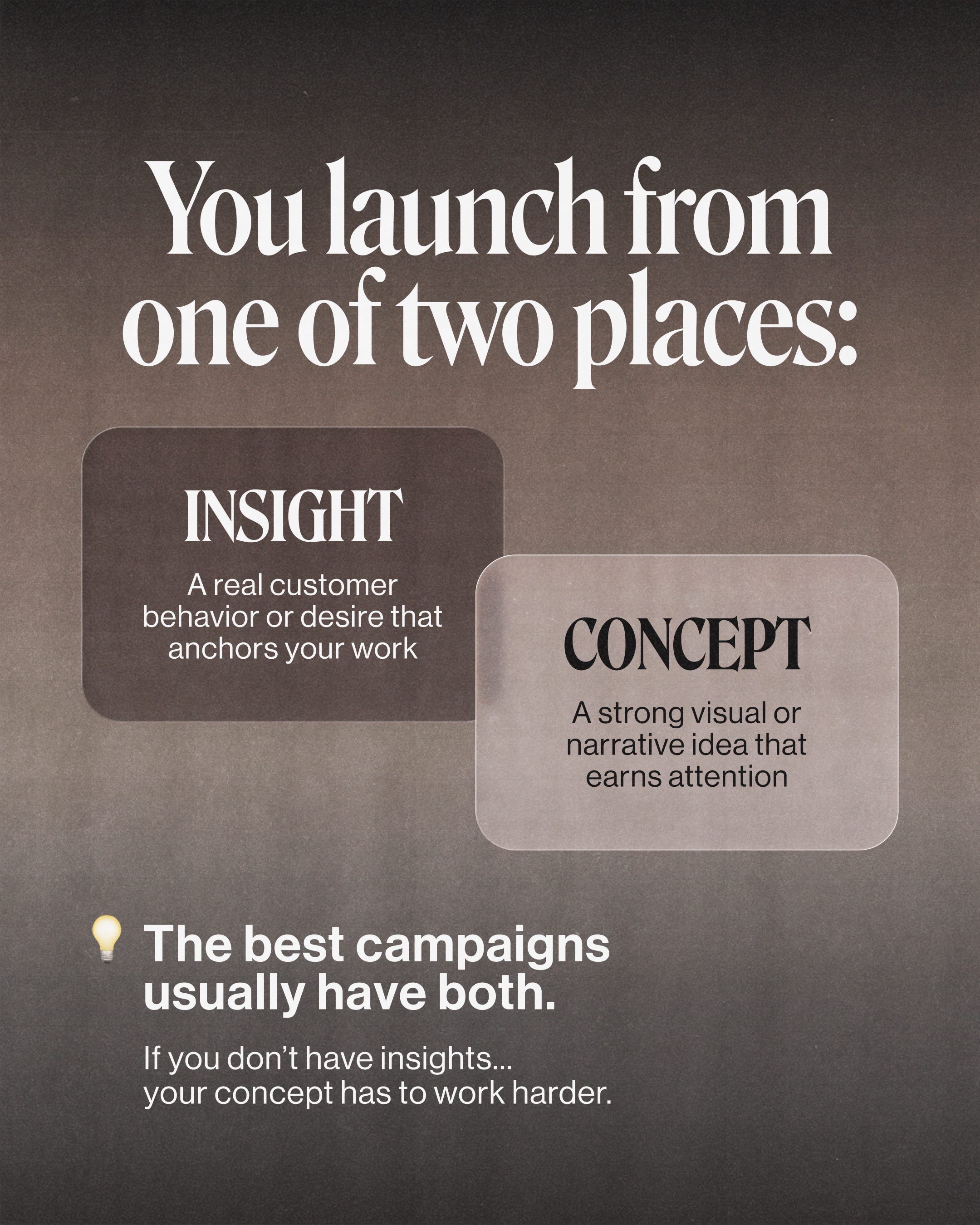
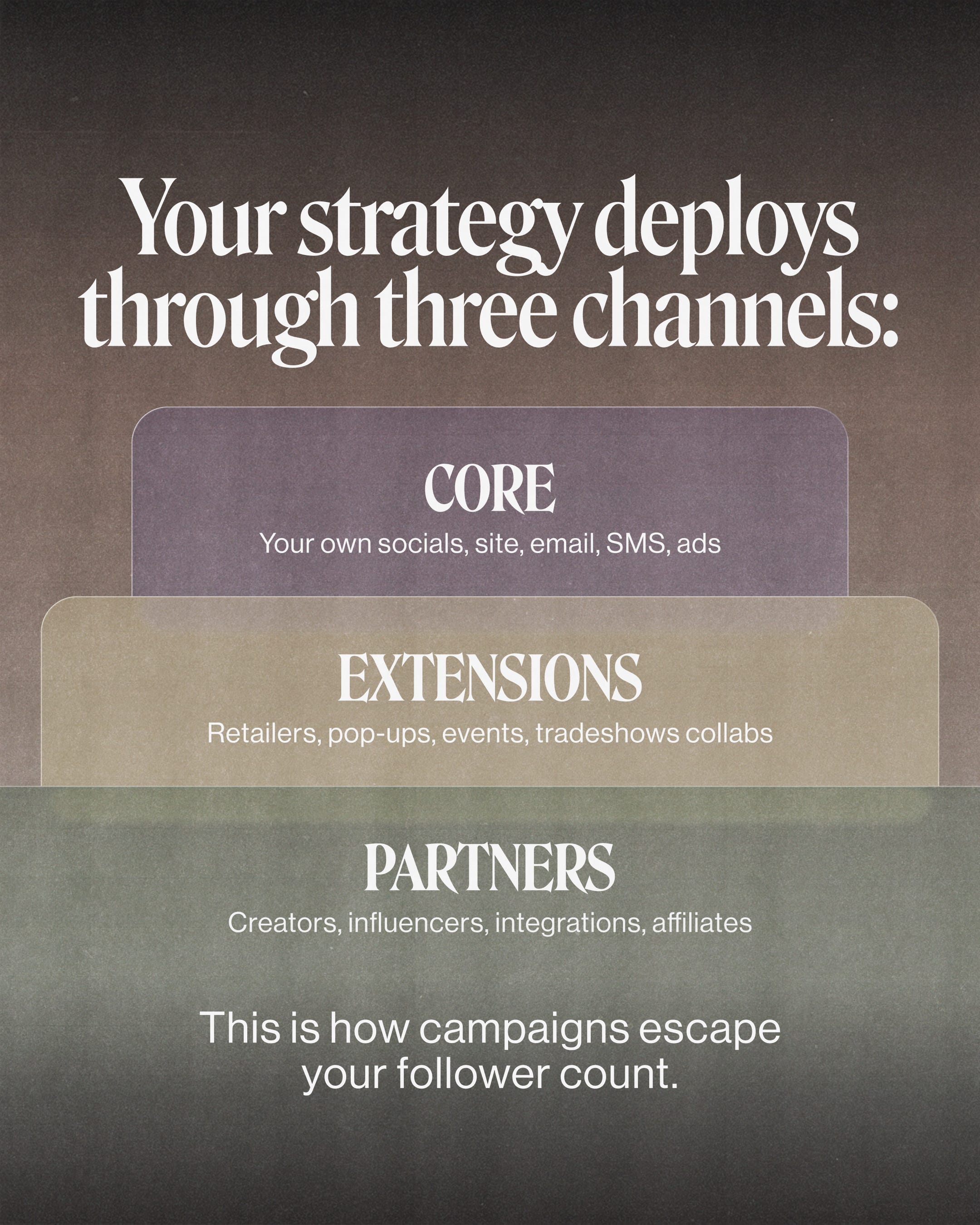
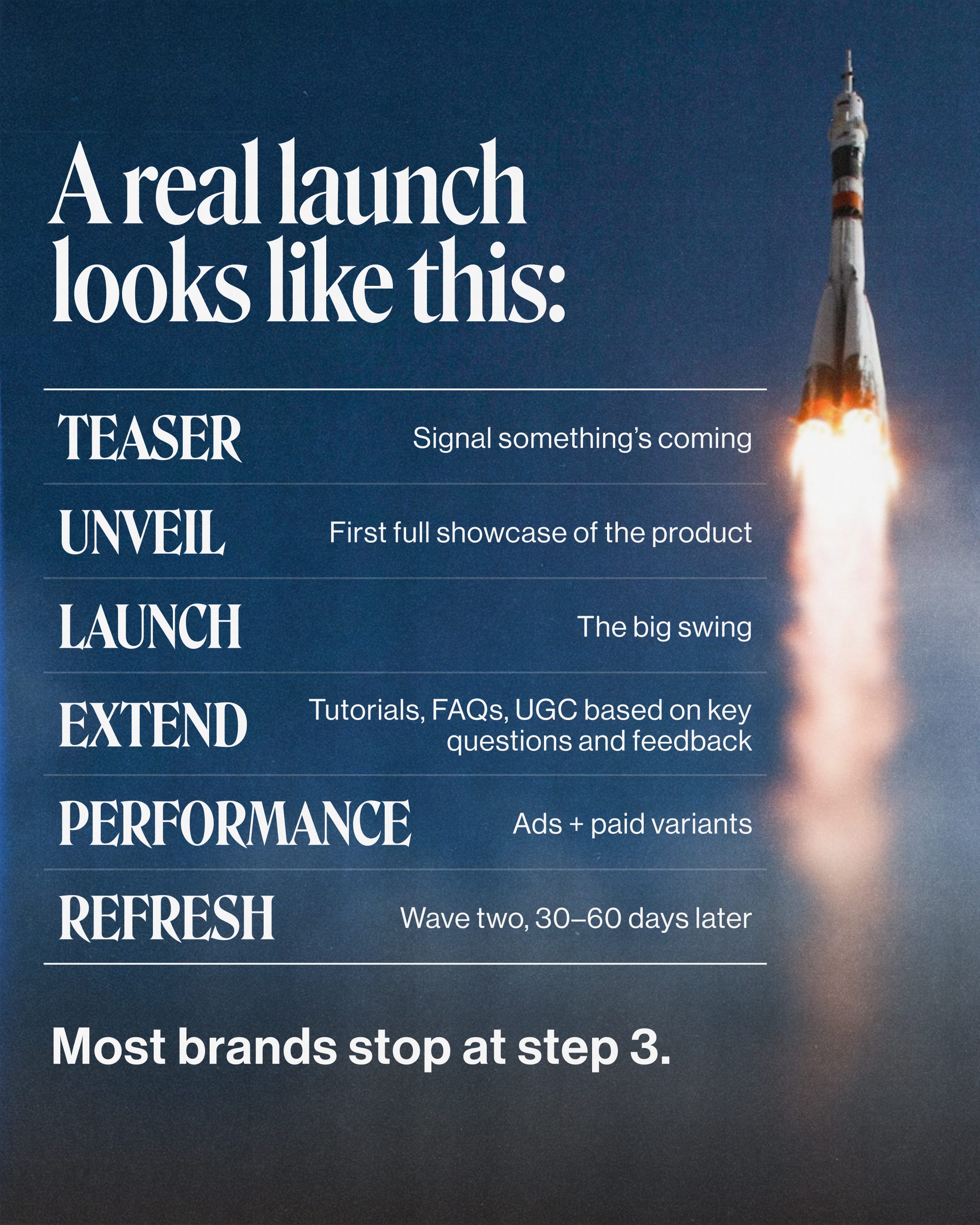
The Art of the Marketing Campaign
Our friends at Darkroom designed a playbook based on the marketing campaign system we’ve been outlining in our creative ops content.
Until the next edition,
Clayton & Oren