

This week, Oren’s talking about how TV ads have become far more measurable, while Clayton is reviewing Korean ceramics.
In this HYPER edition we talk about the changing nature of influence and celebrity and how brands of all sizes can look at the new world, plus the psychology of luxury, and our hunt for America’s next top snack.
Let’s begin.
Start Making Video Content on Instagram, TikTok or LinkedIn
The 20th season of Cut30 kicks off today. If you want to learn short form video creation, come do it with a supportive community whose helped develop hundreds of winners of all ages and backgrounds. Join 2000+ creators who have done everything from learn how content works, to build their personal brands, to get featured in the NYT from their content.
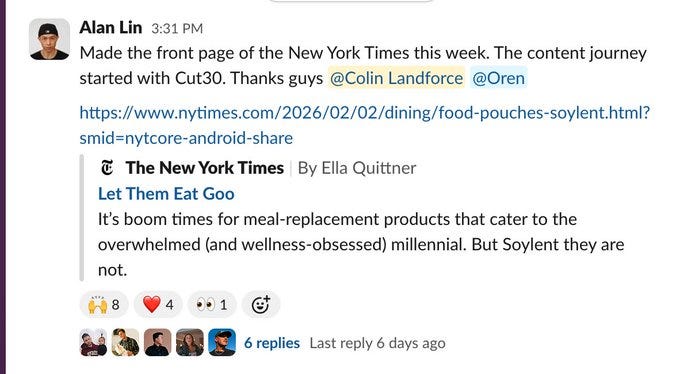
We start tonight, join here.
Snack brand?
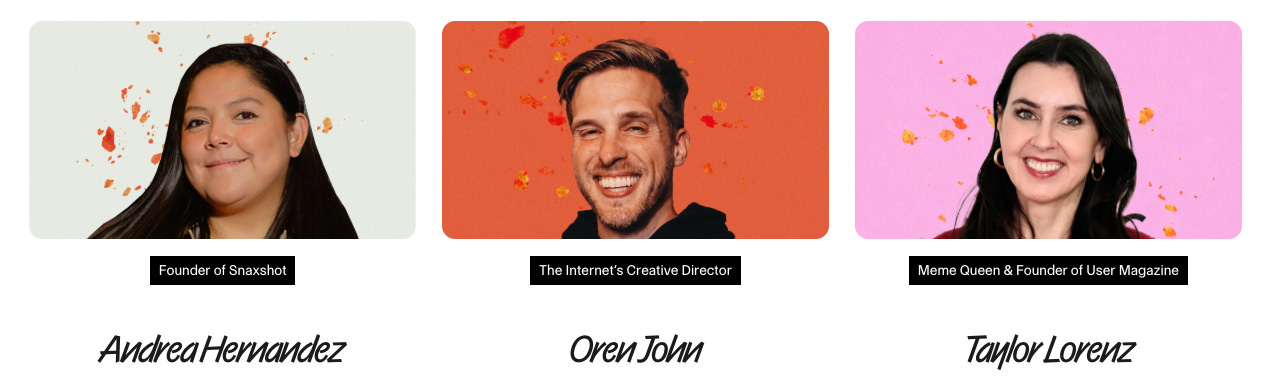
Andrea from Snaxshot, Taylor Lorenz and I are partnering with Air at this year’s Expo West to find American’s next top snack. If you’ve got a food brand and want to enter to win investment, support and have a general fun time with the team, you can apply here!
If you’re at Expo West you can also attend the event from the same link.
HYPERINFLUENCE
We are in a very interesting time for influence. People have begun to understand a few key things:
Modern algorithms reward engagement between people and brands, whether it’s collaboration posts or conversation. They pick up on it and show content to consumers based on this cast of characters a brand has.
At the same time we have a lack of mainstream stardom with the exception of Zendaya, Timothy Chalamet, Sydney Sweeney and a few mega stars. The next level of celebrity talent is more akin in reach to middle-tier influencers than how we looked at celebrity prior.
Music is interesting and globally relevant. K-pop in particular is an interesting case study. Every member of BTS now represents a different competing luxury house. RM at Bottega Veneta, Jin at Gucci, Suga at Valentino, J-Hope at Louis Vuitton, Jimin at Dior and Tiffany & Co., V at Celine and Cartier, Jung Kook at Calvin Klein, Chanel Beauty, and Hublot.
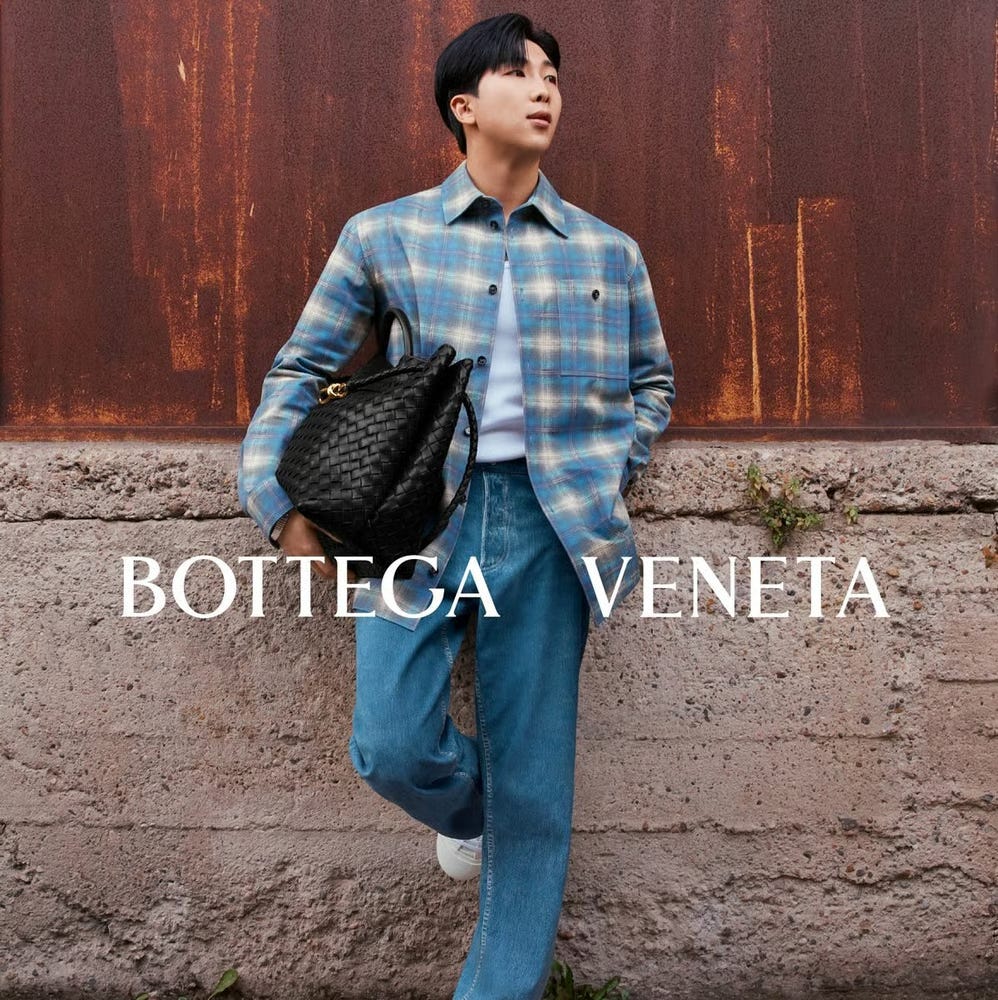
This is interesting because the K-Pop fandoms are more active. They don’t just like posts. They track stock movements after ambassador campaigns. They organize buying campaigns around drops. They’re consumers who treat ambassador announcements like calls to action. And there’s a ripple effect: The fandoms of K-pop are followed around the entirety of Southeast Asia and the US and Europe.
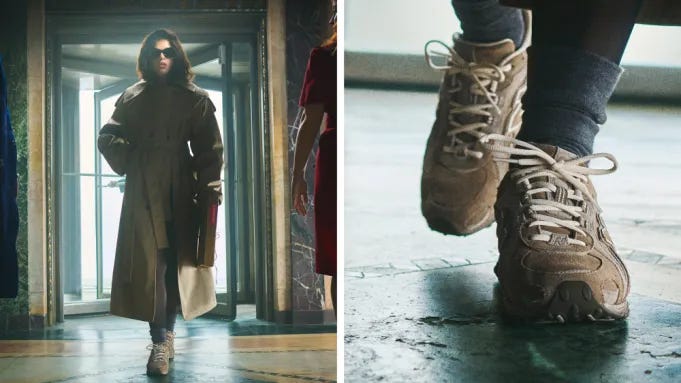
There’s an opportunity for brands to look at some of the emerging subcultures that are next to make interesting plays in the meantime. With the popularity of Bad Bunny’s Halftime Show, there’s a huge opportunity in the tiers of Spanish-language artists below the well-known Rosalía, Karol G, and Bad Bunny to be ambassadors of Spanish-language culture globally for brands. While we’ve seen a cultural relevance of Afrobeat and Amapiano as musical subcultures that cross over between both the tasteful culture-forward populace and both African and African American consumer groups.
Creative Directors are building lineups that go with them. When Jonathan Anderson took over Dior recently, he named ten new ambassadors, most of whom he’d already had a relationship with from the web. In the first seven weeks of 2026, Dior named ten new ambassadors: LaKeith Stanfield, Josh O'Connor, Drew Starkey, Taylor Russell, Florence Hunt, Sophie Wilde, Ever Anderson, Mike Faist, Sam Nivola, and Will Price.
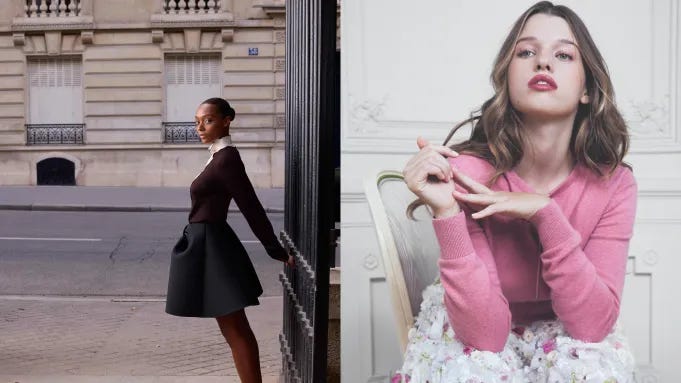
This is a point I’ve always tried to make: That in creative direction and creative strategy, your rolodex is as important as your skillset. If you can, as a head of social or a creative director, plug into a campaign and be able to bring in creatives who will drop everything and work for you even when they’re busy. Or even at a smaller level, if you have that rolodex of video editors, carousel designers, and fast-turn creators in whatever niche that you work in, you can quickly bring them into projects at reasonable rates.
That skillset alone is what separates you inside the current hiring environment.
Smart marketers need to look at their creative talent as teams that move with them across projectsand brands similar to what we saw from Jonathan Anderson.
And then creatives themselves need to think about how can I position myself on the roster of these decision makers as they move?
Whether that’s people that manage influencer campaigns for brands, creative directors, or decision makers who would hire your talent. This is the era of squads. I’ve mentioned that term before but the idea of creative groups and creative hubs is more important than ever because algorithms reward the interaction and because it’s harder and harder to stand out in the noise online unless your content is absolutely amazing. But if you’re positioned in the right groups that are moving, you come along with it.
I’ve seen this in my own life. I have a group chat of just other creators of a certain size inside my niche. Another one for just people operating fashion brands. One for influencers that are doing a million dollars a year or more. These groups aren’t ultra active. But in that one or two times a month when someone really needs something or when you’re participating in a complex dilemma, those people are there and they’re always recommending each other. This has always been how it is - a network.
What’s changed is the ability to connect with it on the internet based purely on how social you are and if other people like your content and vibe online.
In the absence of big celebrity people are making bets as well. This happened at Chanel when Matthew Blazy picked Ayo Edebiri. Her career is accelerating, they can ride the wave with Louis Vuitton signing Chase Infinity - a very different approach from their work with Zendaya. At the same time, we’re seeing an interesting approach with the Nike Skims collab. Both brands are really interesting points in their arc: Nike working hard to maintain relevancy and gain back what they’ve lost in the market share of activewear, Skims with a relentless approach to influence and collaboration but needs something else to make that next step.
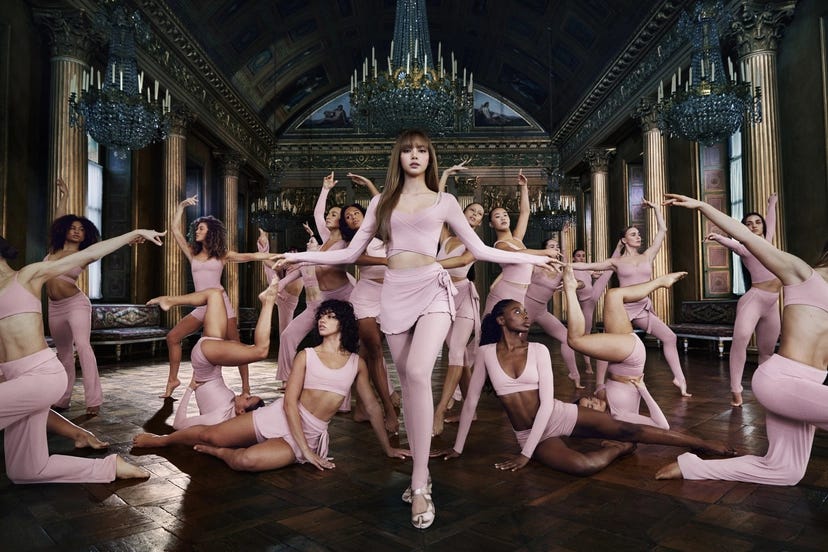
Their front for the 2026 campaign Lisa from BlackPink, back to the K-Pop angle, - a sign that the global shape of the brand is as important as either of the brand’s roots. If I was a brand looking at this now, I’d be thinking through these things:
Discovery bets - who can you get at the right point in your arc between who is that and a household name in your niche. You lock in early, get credit for discovering them, and pay a fraction of what established stars cost.
The rollout - you’ll see what some of the stars Louis Vuitton signed have already been dressing them, seeding this by having them at events doing some light content before the official ambassadorship was announced.
There’s an entire arc from there - what they’re wearing, stylist involvement, crossover ad campaigns. Brands need to think the same way these relationships run deep and they run more than posts.
There’s a lot of different ways you can participate in and then outside of the core niche that are eally interesting. Meta knows what to do with ad targeting for people already buying your consumer products. Finding popularity in tastemakers that reach across categories who can talk about what you do in context of what they’re putting together makes a lot of sense.
I can’t emphasize enough the importance this year of looking at your brand’s world like a network that starts with just the creatives involved and goes all the way up to influence and celebrity at whatever tier your brand is at, and how do all those pieces work together as a content, advertising, in real life, and brand building universe.
The Psychology of Luxury
I’ve been doing a new video series on short form about the luxury codes, the psychological factors around belonging, knowledge, taste and quality that convince consumers to spend a premium. Full deep dive on Youtube here:
As always, thanks for reading.
Oren & Clayton
Check out our market reports. We spend many hours researching markets, categories, and brands & products within the consumer space so you don’t have to.