

This week, we’re going tactical. I break down e-commerce metrics you or the brand you work for should be obsessed with, we have a special guest collab to help break down… uh, collabs, thoughts on Coachella and the Masters, and how we’re testing Live as the media landscape shifts.
Let’s dive in.
Oren
Metrics marketers and creatives need to know
There has been a lot of conversation about Grun’s sale for $1.2 billion last week, I’ve talked before about why I love their positioning so much
One of the numbers that stood out most to me, and is most important for all of you to read and learn about, is the metric that was the North Star of their scale: a 3:1 CAC to LTV.
If you aren’t familiar with these terms, I’m going to break them down below. It highlights a really important trend in where we are creatively, with the rise of creative strategist jobs, and new and much discussed positions like growth operators and “profit engineers”. Marketing has grown more quantified than ever, both in how we’re able to measure the results of organic media and how we’re able to quantify influencers, get sales back from affiliates, and measure the return on ad spend across every platform: Meta, TikTok, Google, Apple, Applovin, Youtube Snap… and savvy brands have a command center where they can look at the cost they’re getting customers for the creative that’s working and work with their team of video editors, creators, and designers to do more.
A few terms to highlight you absolutely need to understand:
ROAS (Return On Ad Spend). If you spend one dollar on an ad how much money do you get back?
Savvy marketing teams then look at return on ad spend as it relates to first order profitability. After the cost of your product, the cost of the ads to get the sale, and the cost of the creative that you are making, is any money left over on that first sale? If yes, amazing... but this also isn’t required for companies who are dialed in on their metrics savvy with their cash (more below).
The CAC to LTV number that I highlighted prior is about measuring the cost to get a customer compared to how much they spend over time. For instance Grun’s North Star was a 3:1 ratio. If their average customer would spend a few hundred dollars with them over time, they would happily pay to acquire as many of those people as they possibly could as long as it met that 3:1 ratio. The amount of their first order didn’t matter at all. They’re looking at a complete picture.
To be able to operate like this, brands need to be dialed in to their cash conversion cycle. Basically if you order product, how long does it take to arrive and when do you pay for it? For instance sometimes you may have to put a deposit down. Sometimes you may have to pay for it all up front. Sometimes you may have terms where you’re allowed to pay for it even after delivery. Same thing with your advertisement: once that product lands, how long does it take to sell and what cost are you selling it for and then when do you have to pay for those ads... and then when do you get that cash back?
If you’re a brand owner or marketing leader and you get this, I also want to make sure you know that your team does. Not everyone on your marketing team is spending their free time listening to Taylor Holiday podcasts, even if they should. Giving them synopses, doing a lunch and learn, explaining things like the above in a few clear terms is crucial.
Afew notes that will be impactful for you:
If you aren’t measuring your numbers like this for e-com, it’s time to start.
If you are a creative or a marketer and you want to make more money, you need to get close to the money. Be savvy on these terms and be creating things that actually impact them. I’ll happily cover more on this. Go through lift, developing metrics for organic whatever will be helpful to you will be put inside these newsletters
if you have positive numbers like this, you’re able to do this math and it pencils out. Right? Push it. If you’re stuck in an era where you have to correspond to a forecast, you have a specific marketing budget and it’s not fluid based on how much money you will make. You’re never going to achieve the scale of these types of brands.
I made a short-form video about this today.
When you really start dialing into the cash conversion cycle, what happens is you get stuck. Meta used to allow you to pay your ad spend on credit cards so you could accumulate points and you could get some time to pay it off but now they’ve moved to invoicing, making it even harder to scale. Especially when so much capital that’s available to these brands is at such high rates for things like inventory funding.
In the video I detailed how one small business banking solution, Highbeam, offers an Ad Spend manager that always makes sure your ads get paid and also will do 30, 60 or even 90-day terms on ad spend. While that video was sponsored, this segment isn’t because it’s a common enough problem that people are dealing with that I think it’s worth highlighting solutions. You can learn more about Highbeam and their Ad Spend Manager here: https://www.highbeam.com/ad-spend-manager
The internet was ablaze this weekend at Justin Bieber’s Coachella set but far more interesting to me was the combination of his brand, his wife’s brand, their individual brands Skylark and Rode, and how they co-promoted together and with their friends to make the most of that moment across all of their commercial endeavors. I dive into the blueprint for how they think about the overlap of their personal brands, their consumer brands, and what’s happening in culture in this week’s Youtube video. don’t let the teeny bopper subject matter turn you away. This is direct sauce on art direction and building in the premium personal brand and influencer brand era.
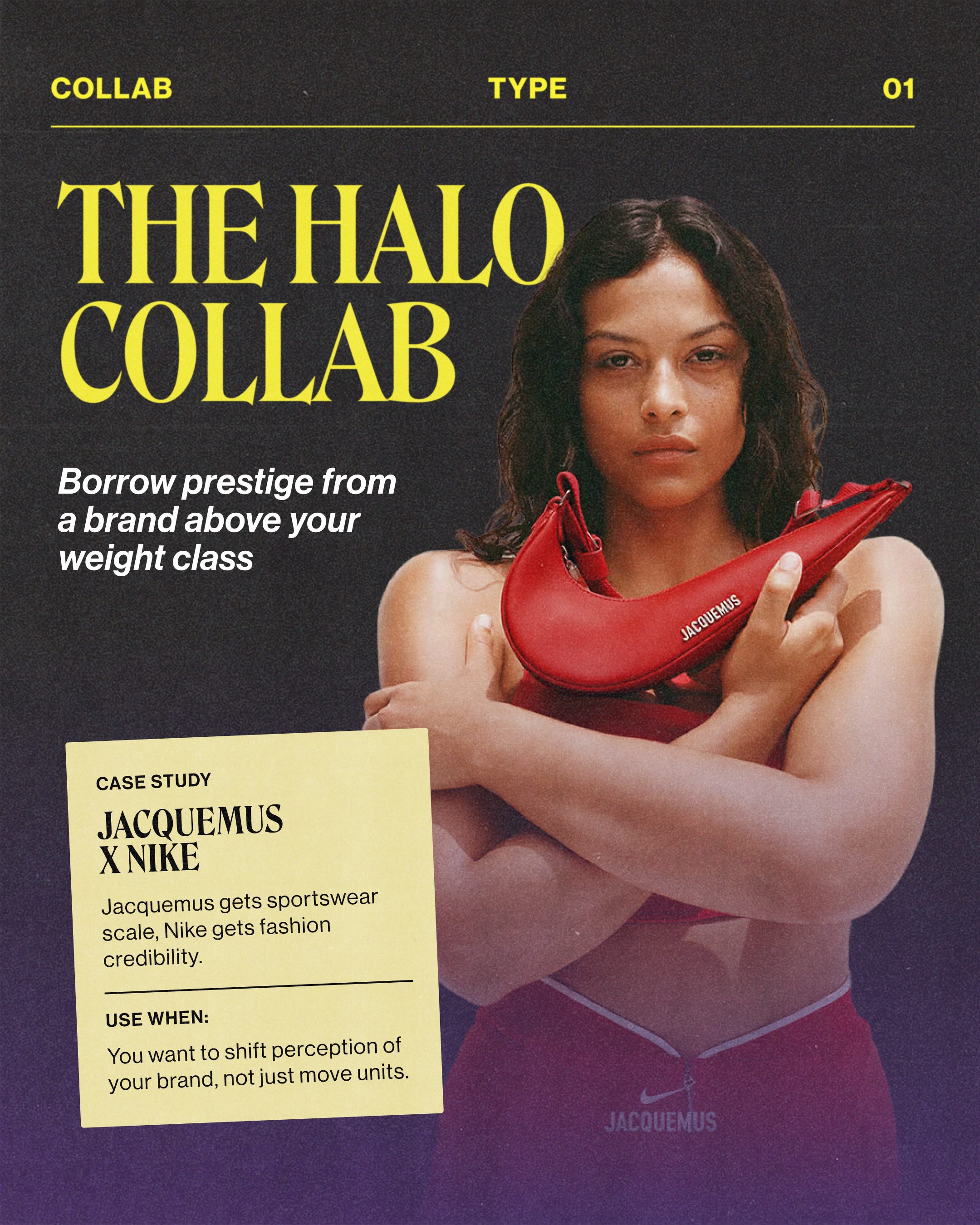
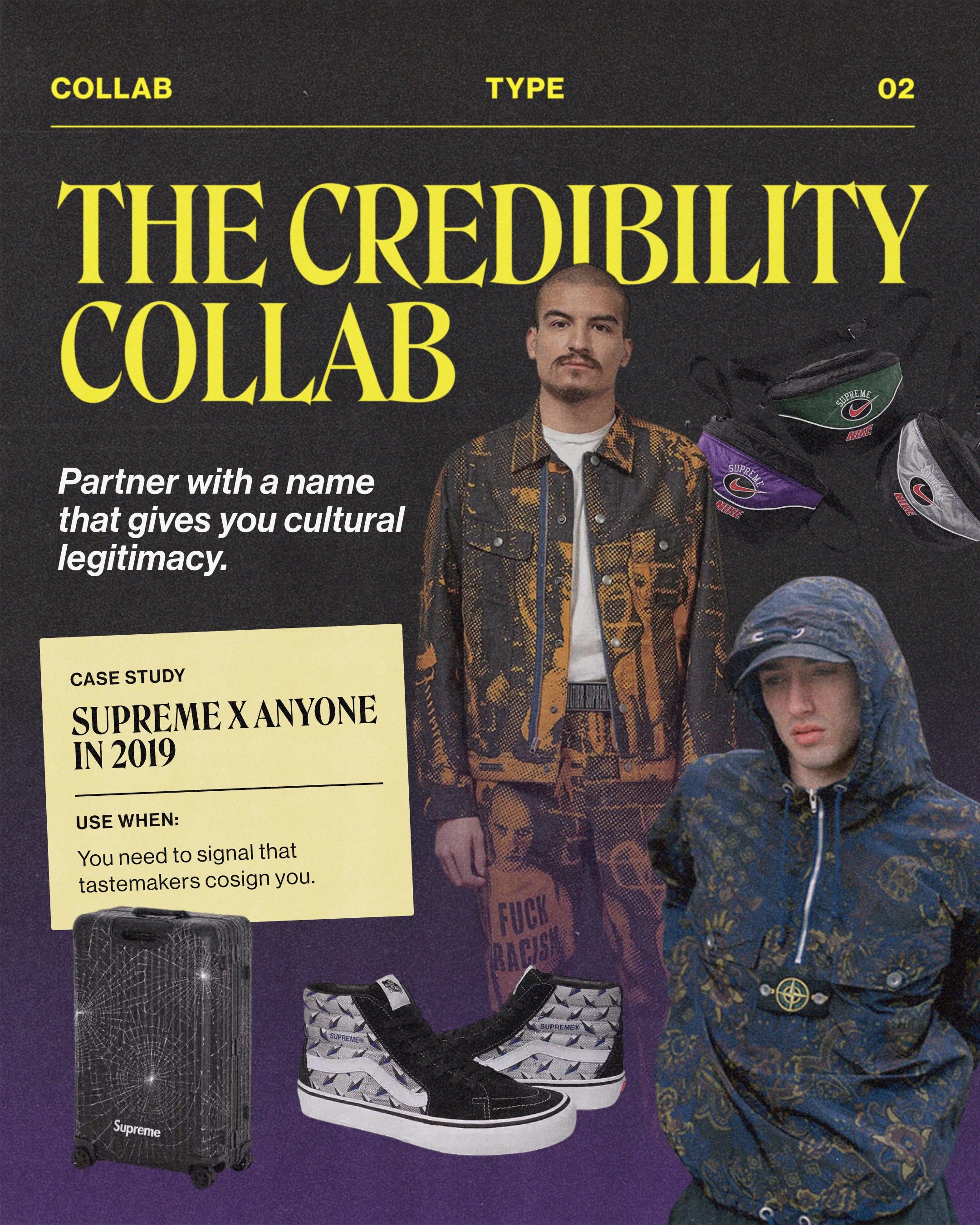
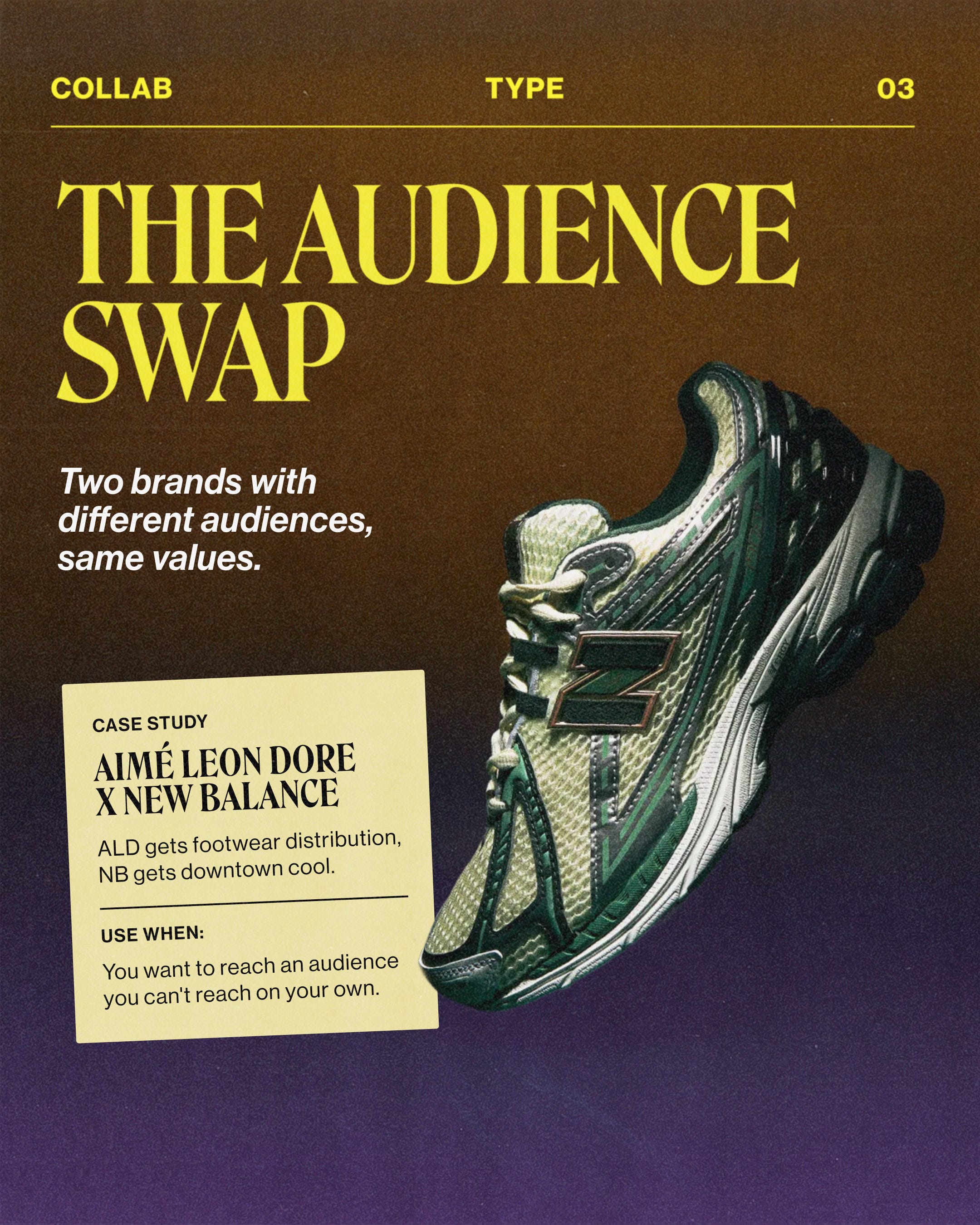
The Anatomy of a Great Collab
This week, a collab with Bimma Williams, on strategies for great brand collabs, designed by the legends at Darkroom/

The US vs Lululemon
You’ve heard me ask several times why some of these progressive sportswear companies like Lululemon haven’t dipped into more natural materials, embraced 100% cotton or linen when obviously consumer trends are shifting that way. In previous videos I’ve highlighted natural alternatives because I’ve asked so much about them, but today we saw actual legal action filed against the forever chemicals inside some of these clothes. Interested to see what the findings actually play out as but one of the biggest positions inside apparel in our time will be the counter positioning using more natural material to synthetic activewear. I doubt Lululemon would be the final scapegoat here either.

The Live Media Boom
Landforce and I have been experimenting relatively extensively with Live, working on what is the best toolkit for releasing Live content? We’re using Riverside here to start, but I’m zoned in on how do you clip it, how content travels, whether horizontal and vertical, and we’ve been testing quite a bit. I’ve been bullish on live for a long time, I think many people will remember when The Brandfather started as a live show mostly because I was so intrigued by the format. You’ll see again and again that most live shows will trickle into more typical podcasts because it is an undertaking for production and requires a lot of effort. In the wake of the TBPN acquisition and seeing how live streamers dominate the consumer news cycle, being on the forefront, I feel like we have to take this seriously. In our first week of test content I’ve had a number of great performing clips.
Two of my favorite topics:
How to find any brands suppliers (so good, brands thought Landforce had trade secrets)


The intellecutal content boom:

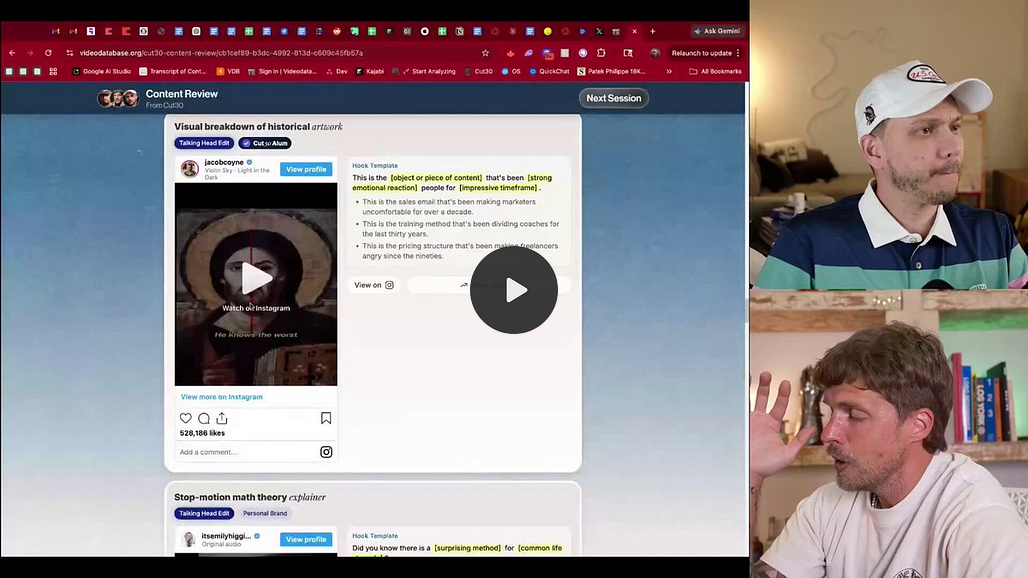
I am a firm believer that in today’s social media world you cannot accurately speak on strategy or cover what is happening if you are not participating in its creation. Things are too nuanced and happening too fast so as always I’m on the front lines, doing it.
The Brandfathers recap The Masters and Coachella marketing
Ashwinn, Jordan and I dig into the cultural moments of last week.