

Welcome to another edition of Hyper. I’m doing my best not to be distracted by the luxury brand implications of the Anthropic IPO’s wealth transfer to taste-adjacent SF employees, or the cultural obsession with GTA 6, or the tumbling markets.
We are coming on Black Friday, and marketing and branding people need to stay on target, so here we are. In this edition, my friend Edsel from Ladder breaks down one of their most affordable marketing campaigns and one of their most expensive marketing campaigns, and the strategies behind successfully putting them together for a brand.
We go through tactics for optimizing pop-ups on your site, especially important going into this holiday run where every email matters. I share some features and notes from my time at Adobe MAX and the changing nature of design and creative work. Let’s lock in.
Making Great Modern Marketing Campaigns
I went to Ladder HQ to sit down with their head of brand and creative and discuss what makes a great marketing campaign. He broke down a low budget and a high budget campaign they’ve did, how they strategize, plan, execute and launch, and it’s a great watch for anyone trying to master marketing campaigns. Watch here.
What popups are right for your site?

It is that time of year where everyone is racing to wrap up brand prep for Black Friday and Cyber Monday. In the week we have left, may I suggest some light optimizing of your pop-up?
And if you’re already locked in, perhaps some pop-up optimization for the holiday.
There’s psychology behind the pop-up. If your product is selling to a user base where you’re solving a need, quizzes and questions work well because people are there to learn about themselves and help themselves. Starting them on that journey is going to lead to higher retention.

If you’ve been running discount popups for a long time, especially smaller ones, I’d experiment with running “claiming a dollar value towards your order” because it feels more like a tangible reward. Oftentimes, brands can get away with actually giving away less overall by putting a specific dollar figure.
And I used to be a doubter, but the data has swayed me on spin-to-win and scratch-off popups, especially on lower-ticket items. Also, if you’re coming from a lot of advertisements on YouTube or TikTok, it just converts into email at a higher rate. I believe it’s because an uncertain prize is often more compelling to someone than a guaranteed one, especially in our prediction market society.

If you don’t want to offer a discount, lead with value instead, like a free guide or course. One approach I really like is partnering with an influencer or expert to create it, whether that’s a meal plan, a makeup guide or a B2B workshop.
I’ve been also seeing more custom games lately, and they feel a lot more premium than a standard spin-to-win. An interactive, on-brand game shows off your personality and tells shoppers you put real thought into the offer, and it’s easier than ever to build one.
All three gamification popups below were built by Lia, Alia’s built-in AI assistant, and they show how far a popup can go when a brand wants to stand out. Lia isn’t just for big creative swings, though. If you rather keep things simple this close to BFCM, you can open the popup you already have and ask Lia to make any of the changes in this article, like adding a question before the offer, switching to a dollar amount, or giving it a BFCM theme, and it can be live the same day.

If you haven’t used Alia before, it’s a popup platform built to help e-commerce brands that treat signups as a real growth channel. Your popup is often the first thing a new visitor sees, yet most stores set one up and forget about it. Alia helps brands get more subscribers from every visitor by continuously testing what works and optimizing for revenue, so the traffic you pay for goes further.
Learn more HERE.
Scenes from Adobe MAX
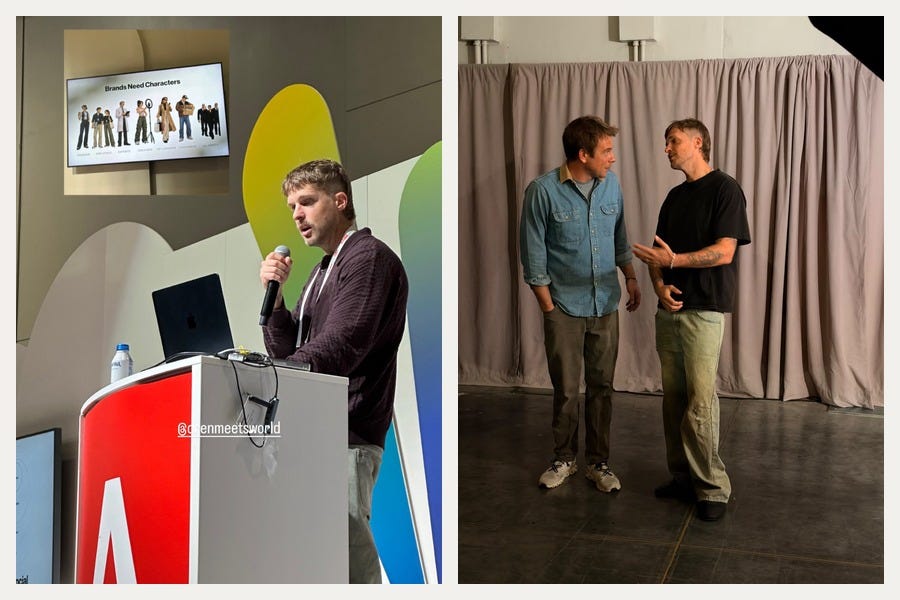
Last, an anecdote from Adobe MAX, where I spent the last week. I was there giving a talk about how creators can build better businesses, how you do good brand deals with brands, and how you make great content with the brand in mind or on their feed. A niche talk, or at least I thought, but it was packed out. I think it is a great reminder of just how many people are in the creator economy, figuring out how to make money and how many brands are hiring them.
But the interesting part about Adobe MAX wasn’t creator-related. It was, drumroll, as you expected, AI-related. There has been backlash about generative AI and Adobe products that gets talked to death on the more toxic social media platforms like Threads, and you can see in the comment sections of short form video constantly.


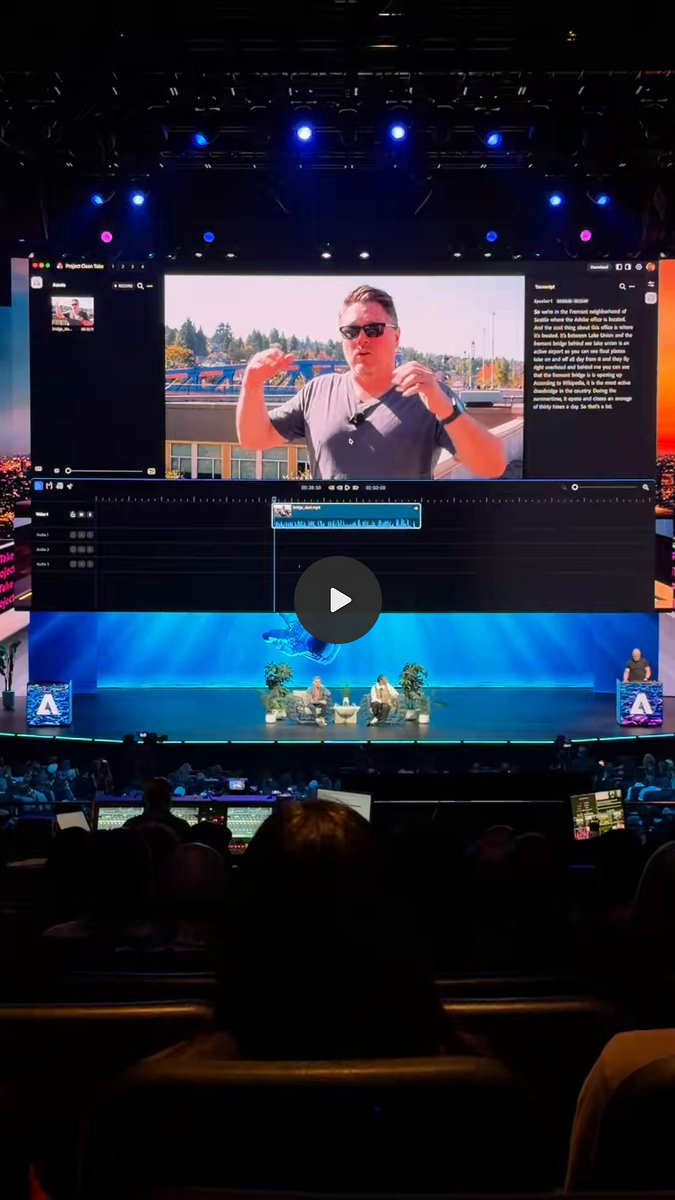
What you find at an event like MAX whose scale I always underestimate until I’m there, is a room of thousands upon thousands of designers excited about the latest releases. You see the vibe is a little bit different. What Adobe did this year is smart. Obviously, they will continue to expand their generative lineup and functionality, but in this tranche of announcements (and there were many) they really focused on the busy work designers have to do: separating and exporting out layers in Illustrator for a screen print, duplicating an effect across five things inside the same canvas. And they opened up the majority of their suite to use by ChatGPT and Claude.


They are using pretty sophisticated power and datasets they have to completely automate those things, and not automate them in an “it got generated” way, but automate them in an “it duplicated the workflow” way. The layers exist, the frames exist, and they’re editable. A true focus on removing the joyless things from creative work, which is a smart position. The first time, I’d imagine, you’d seen a large creative crowd applaud in an AI launch.

But the even bigger thing to consider is just how few people have adopted. Most people aren’t going to go and spend their own money on a subscription to test and utilize something. They’re going to wait until it comes around at their job.
Firefly being available for Adobe users and the ability to experiment and use those features is something they already subscribe for. Workflows they already have, pushed by the companies they already work with, are going to be a far bigger adopter than all the excitement we see online. Felt like an adoption moment.
Until next week,
Oren
Want to scale your brand with us? darkroomagency.com
Cut30 is booked for 2026, get on the waitlist for January 2027: cut30.co