

This week, Oren is in Japan and testing brand agents while Clayton is back visiting our friends at Knees Up in London.
Thanks to everyone who came to the community call in early March. Oren’s next live workshop is on Tuesday, the 24th, on how to actually make a content plan for brands in 2026.
Sign up here.
This week, we’re getting into product positioning, the branding of technology, and the tactics behind whitelisting.
Let’s begin.
Is your product boring, or do you not know how to brand it?
So many brands and creatives resort to mediocrity in their product positioning. But if we’ve learned anything over the last few years, there is always room for a challenger brand or product to step in and shake things up, regardless of the category.
Because the way you position your product is the competitive edge nowadays, and countless brands out there are proving us right. Here are some that we love:
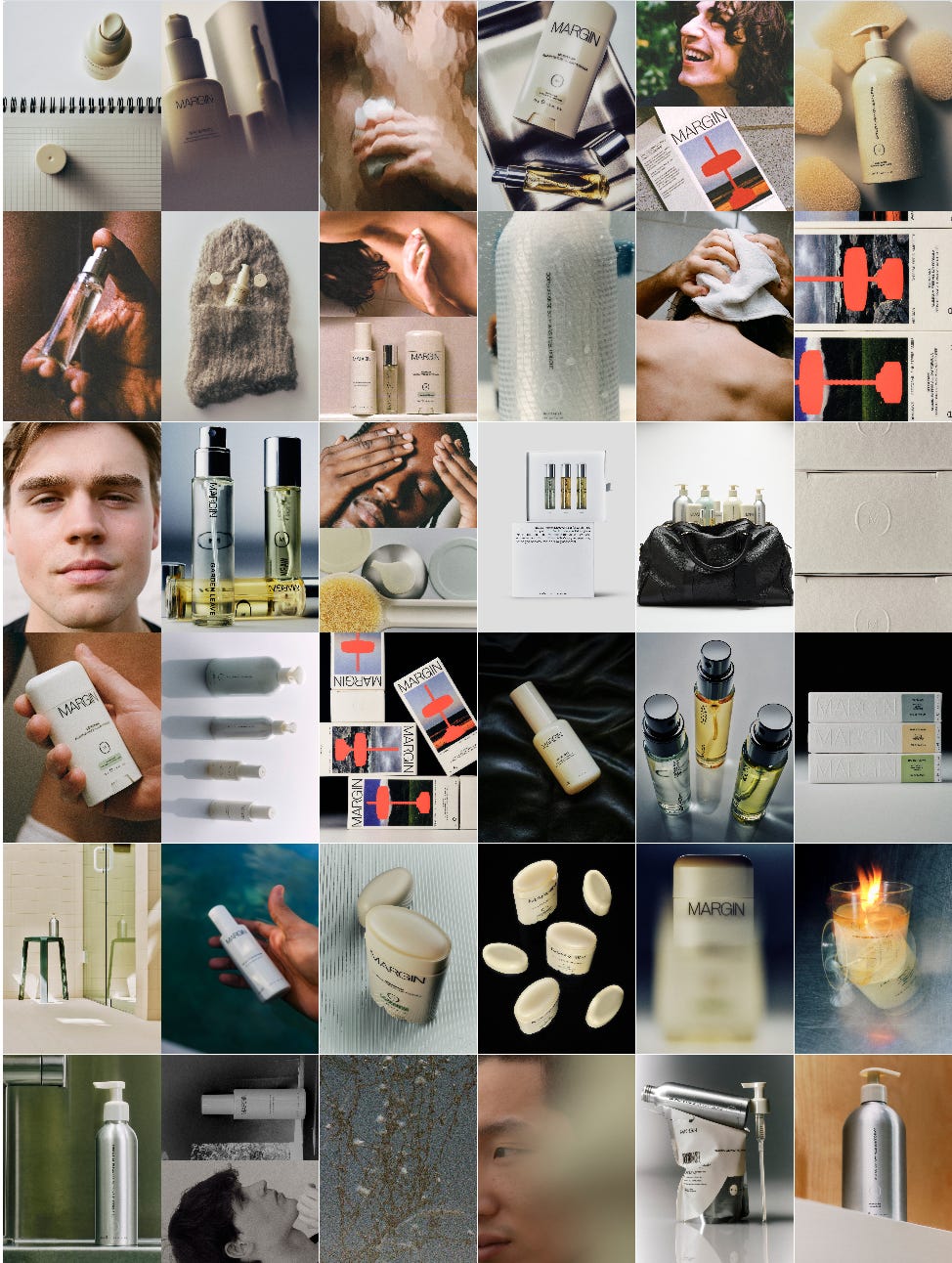
Margin Global took products we all use (deodorant, body washes, fragrance) and used phenomenal art direction to make personal care feel luxurious.
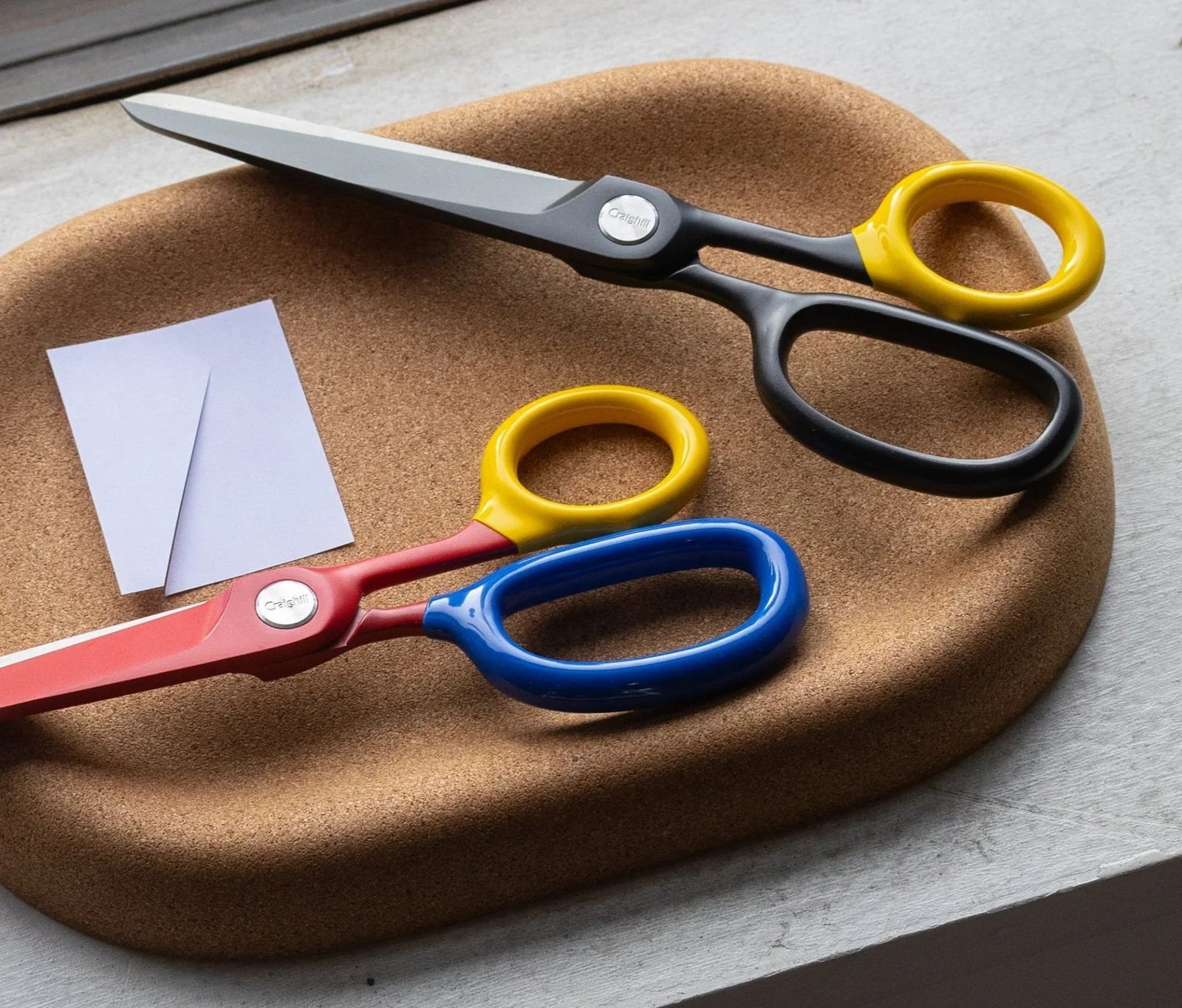
Craighill took a pair of SCISSORS, a thankless utility tool in everyone’s catch-all drawer, and elevated the materials and colors, now managing to sell out of this same product tenfold.
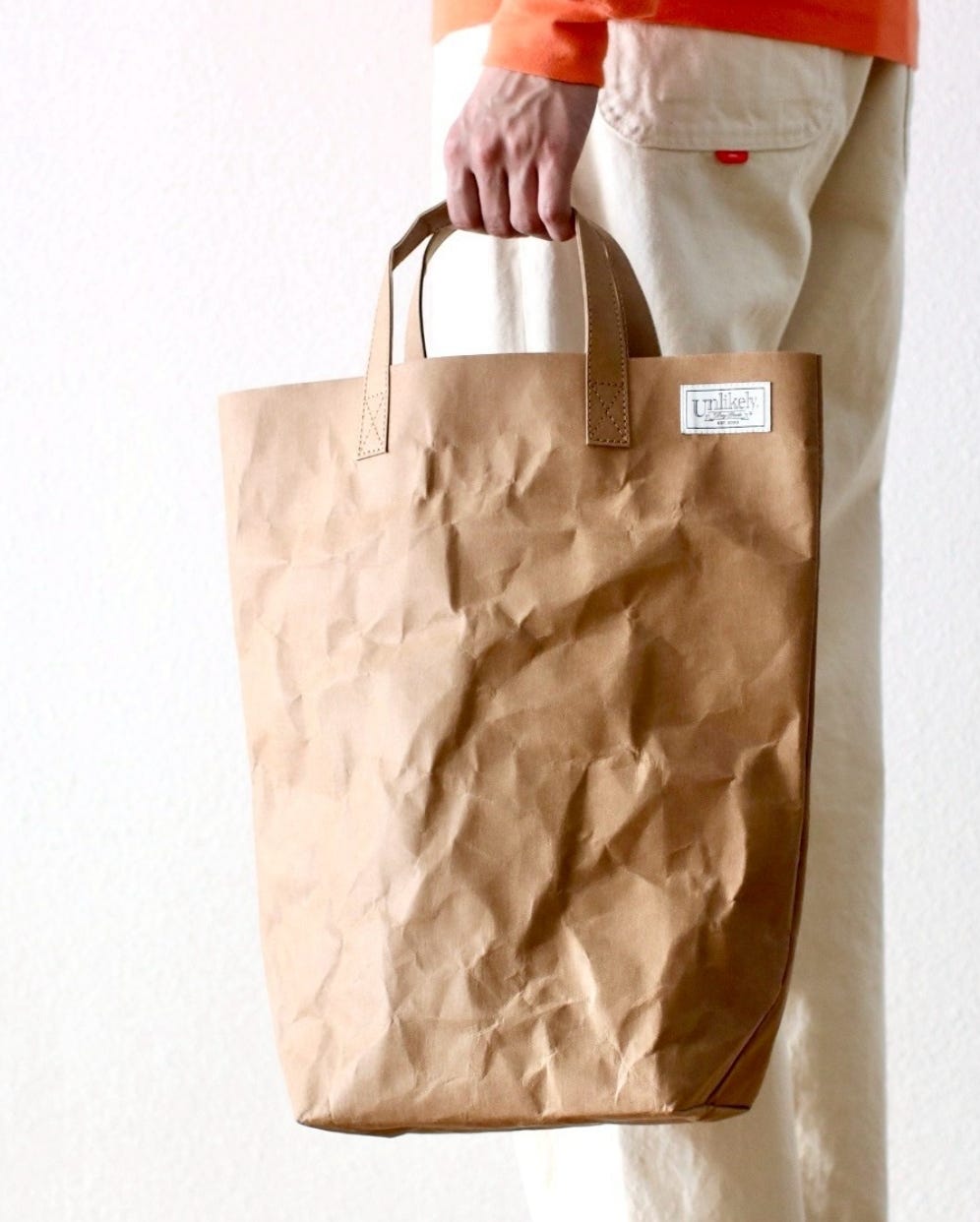
And Unlikely Dry Goods took the humble grocery tote and turned it into crinkled-up butcher paper that operates more like a collectible than something you’d carry your milk and eggs in.
What’s unique about each of these examples is that they achieved the same thing in different ways:
Margin used art direction to get there
Craighill used material elevation to get there, and
Unlikely Dry Goods used product distortion for theirs
The moral of the story is that if you want to reach new (or existing people with your products) you need to remember that the competitive edge is in how you position your product.
A guide on how to whitelist your content
We got a super positive response from the influencer guide we sent out from AGM a few weeks ago, so we’re back with more, this time taking a deep dive into the topic you asked the most about: whitelisting
What is whitelisting?
It’s when a brand runs paid ads through a creator’s account, rather than its own. So instead of seeing a video from “BRAND X” in your feed, the ad shows up as if it’s coming from a creator you follow (or one you’ve seen recently), but it’s extended, boosted, and targeted to more people.
If you’ve seen an ungodly amount of Oren showing up in ads from Anthropic, Death to Stock, or Foreplay… that’s whitelisting at work with him as the creator.
Why does this matter?
Because trust travels. Creators already have the audience, the voice, the credibility and they most often stop the scroll better than a brand. The higher the hook rate on an ad, the more spend it gets, which has more potential for scale and success.
So, when you whitelist, you’re not just borrowing a creator’s content, you’re borrowing their relationship with their audience. And that is infinitely more effective than a brand shouting from its own account with zero context.
Brands often even test this with employees and founders, just because human accounts perform better.
A free guide on whitelisting
To help more brands optimize this for themselves, our friend Josh and his team at Aligned Growth Management have put together a thorough, free guide on exactly how to kickstart your whitelisting program, covering all of the points below.
What is whitelisting and why you should test it
The 3 methods of whitelisting (and how to execute with each one)
How to make whitelisting a scalable, incremental channel
How to find creators and influencers for whitelisting
How to contract influencer partners for whitelisting
AGM is a fantastic influencer management agency that’s worked with brands like Ghost Energy, Hexclad, FabFitFun, Owyn, Heart & Soil, and more.
This segment is in partnership with Aligned Growth Management.
Your product photos don’t have to be boring
Related to the above, we’ve been thinking about this a lot lately.
Most brands shoot their products the exact same way… a white background with clean lighting. But that’s a safe way to look like everything else, and no one cares.
But to us, the best product photography taps into world-building, whether it’s subtle or overt.
So, here are five principles to help you and your teams operate with when you’re shooting product photos.
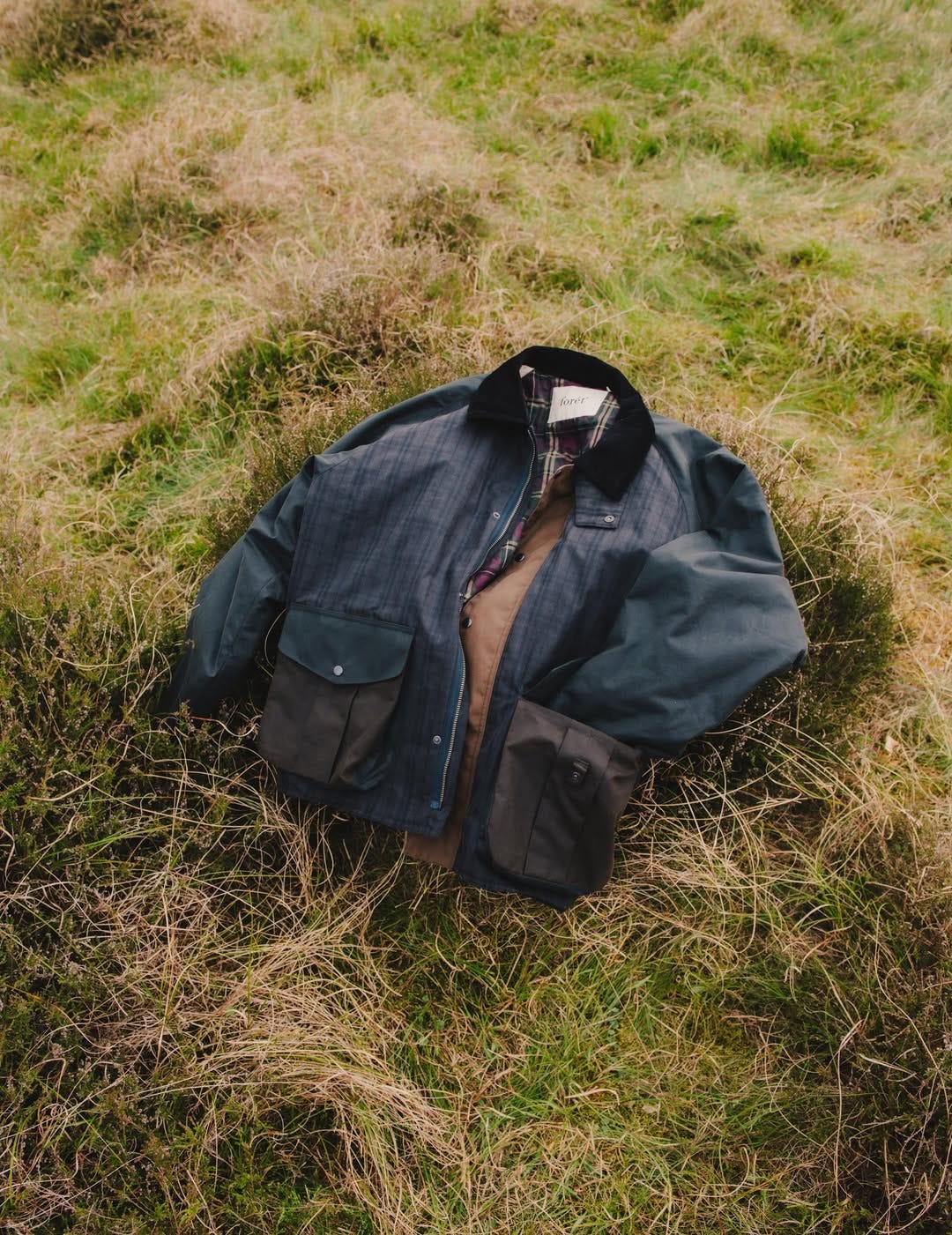
Shoot it in the environment it belongs in. If you make outdoor jackets, put them on grass, not a mannequin. The context does the selling for you.
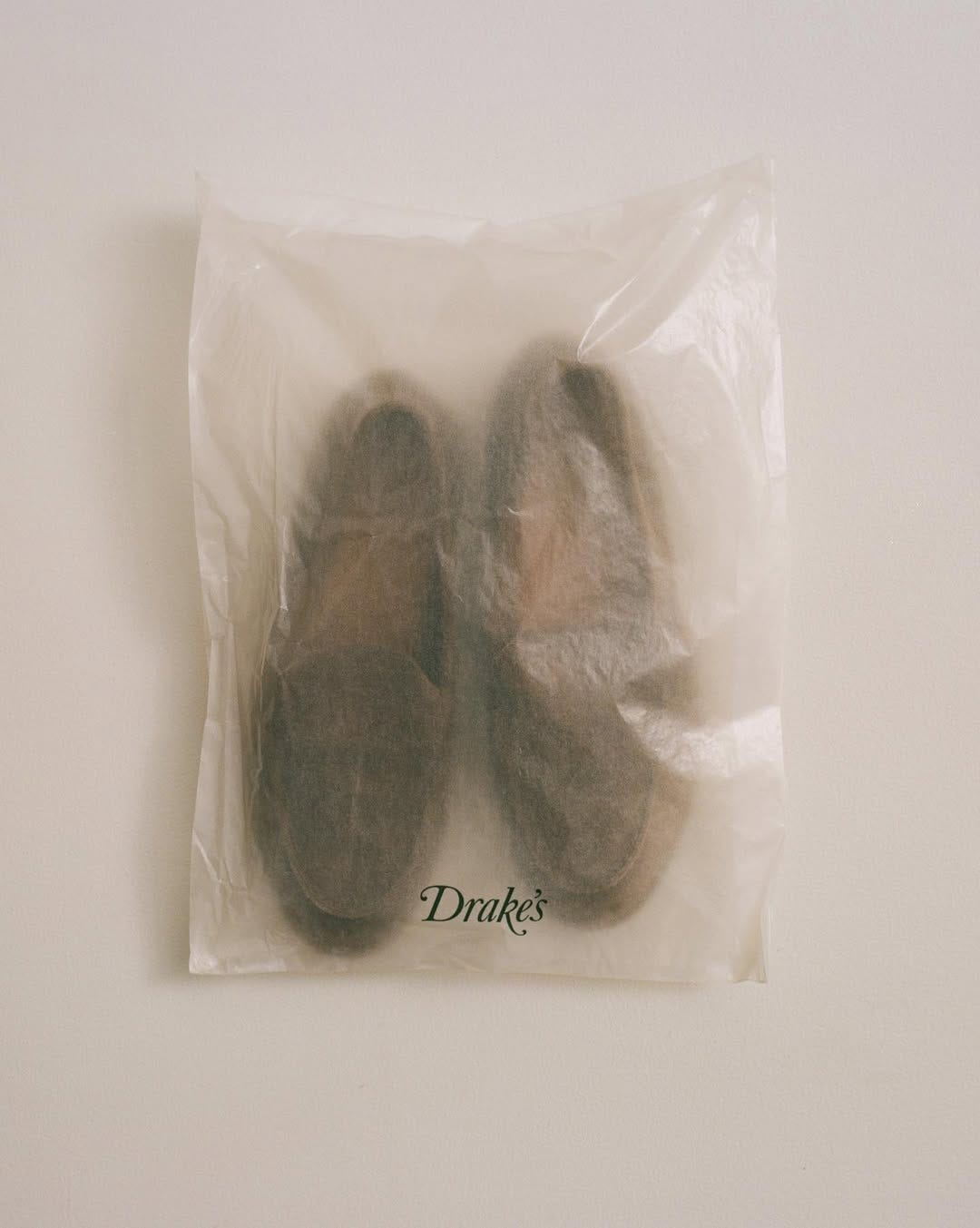
Let the packaging create dimension. Some brands have packaging that’s so well-designed it doesn’t need to be unboxed. Shoot it sealed or shoot it wrapped; but let the presentation be the photo itself.
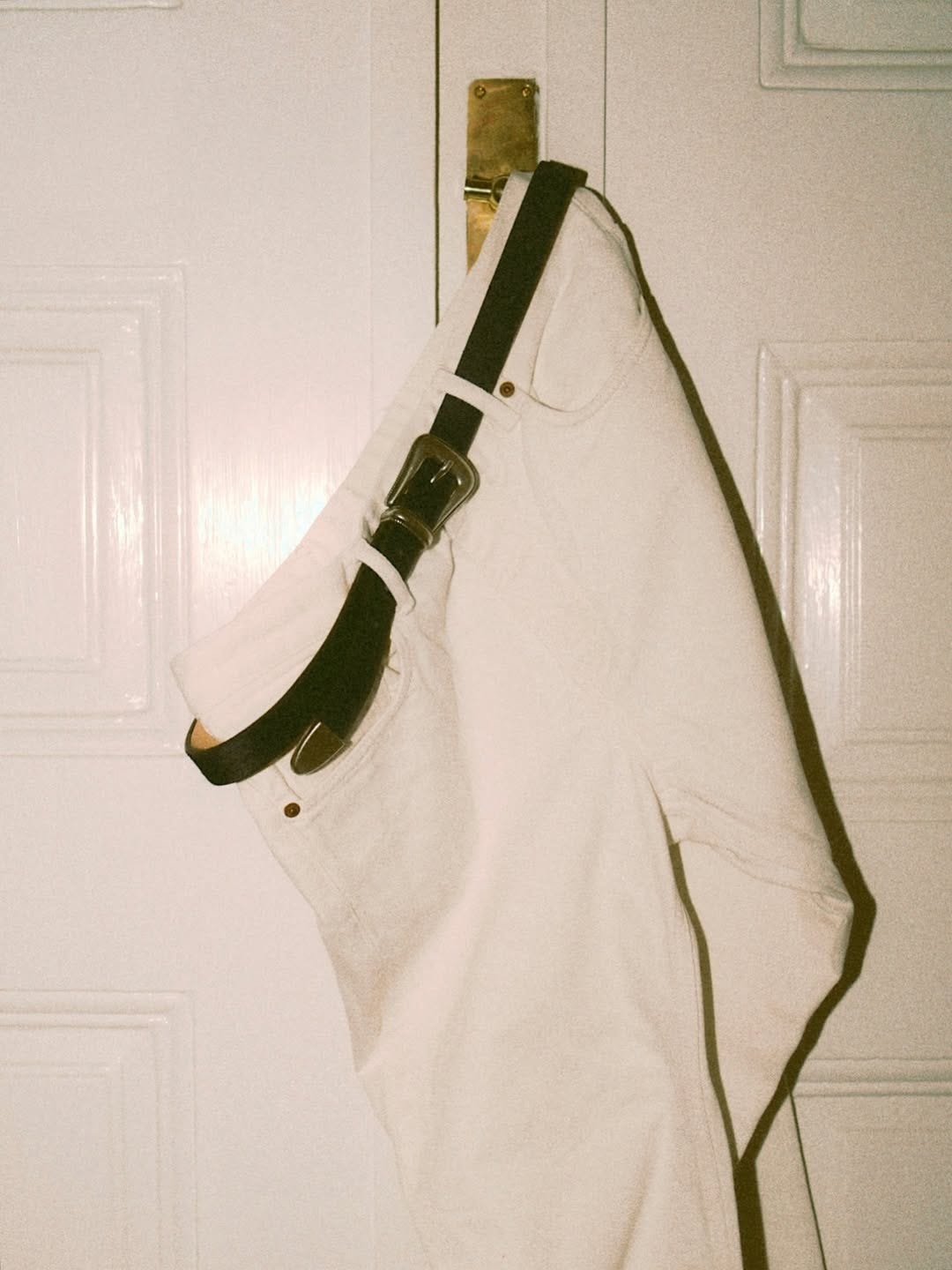
Shoot it where you’d actually leave it. Jeans hanging on a door handle. A jacket draped over a chair. It mirrors real behavior, which makes the viewer see themselves in the image without thinking about it.
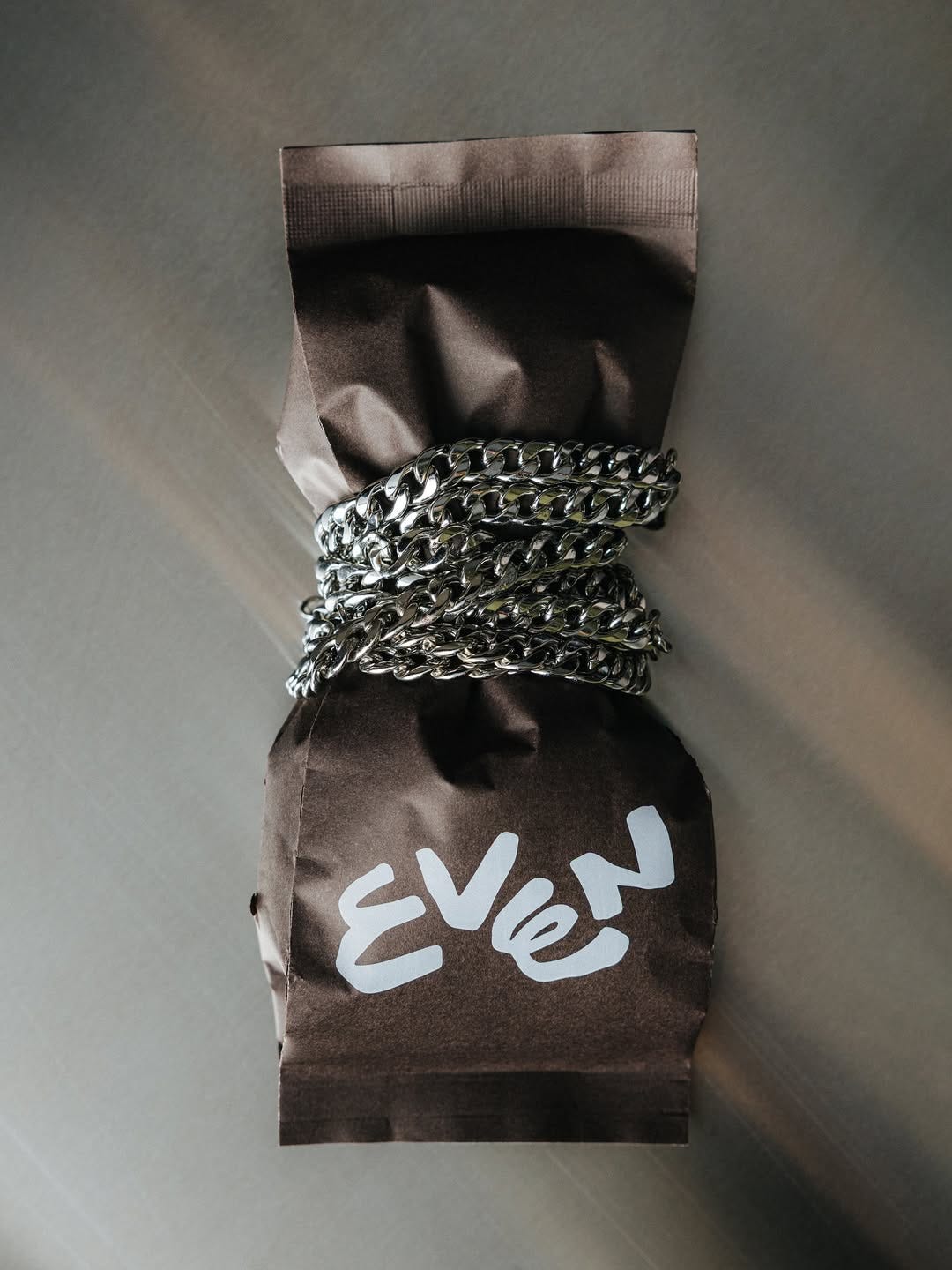
Create tension with the product. A silver chain wrapped around a coffee bag. Tension between objects creates visual interest that a plain backdrop never will.
Tell a story with what’s around it. A flat lay isn’t just a product arrangement. It’s a character sketch, and each object adds a layer of personality.
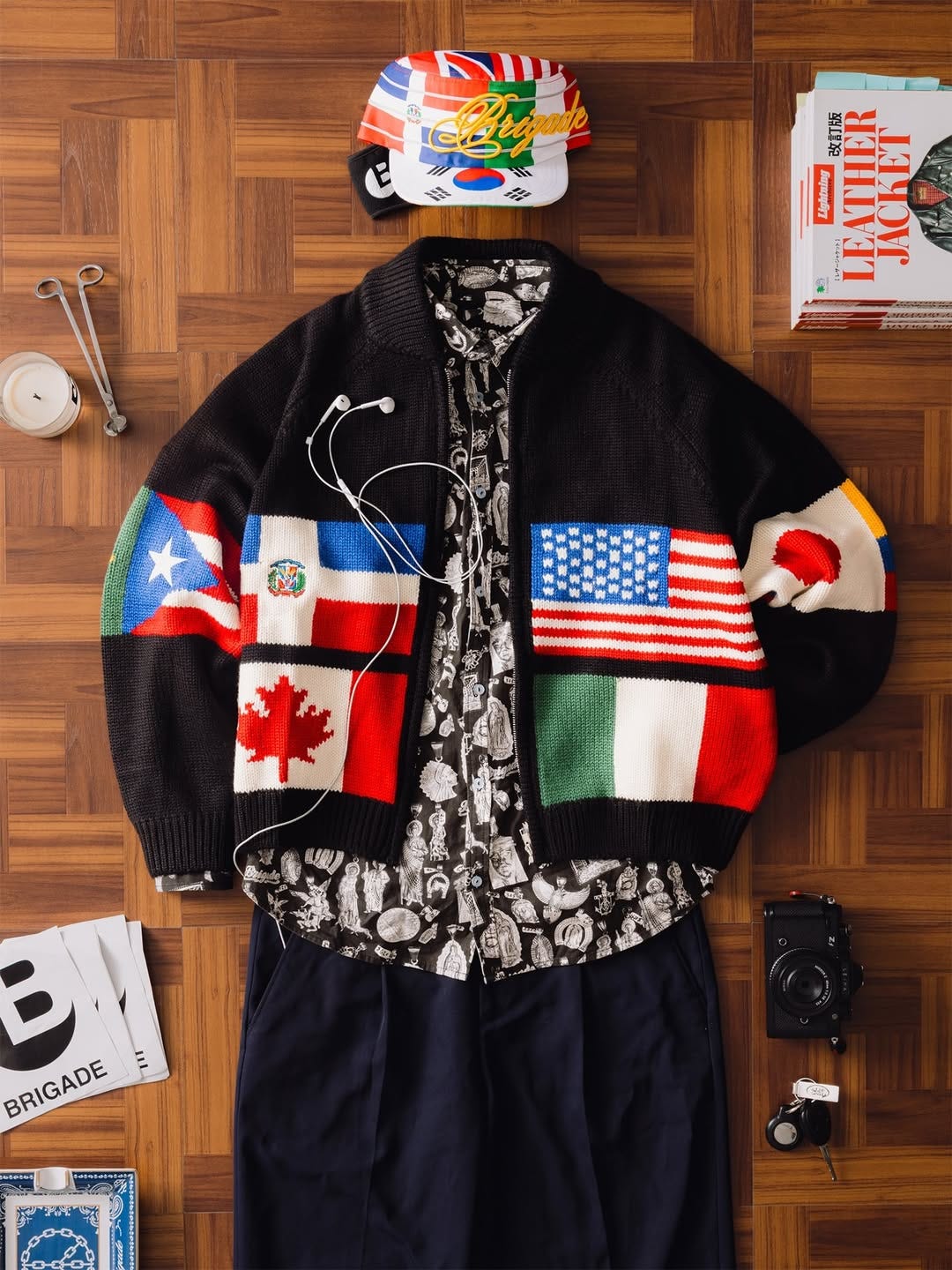
The throughline across all of these is that great product photography comes down to the world you put it in. So stop showing people what it looks like and start showing them what it feels like.
The Marketing of Technology
We’re now in the era where anyone can build the idea; any technology moat can get taken. This applies for physical products and much as software, and tech is feeling the biggest ripple effects.
Technology now is an intense game of distribution, of resonance, of personality and tribalism and the engineers, for the most part, absolutely suck at it.
Those who can maneuver, (I'll point to Claude's influencer marketing here as an excellent example), can gain vastly oversized shares of key market demographics.
In this video Oren dives in to important branding decisions from Apple, CashApp and Teenage Engineering inside their various arcs that helped them catapult above entrenched competitors without a pure product differential, and how to think more about the branding and marketing of tech headed into the rest of 2026.
Parting shots
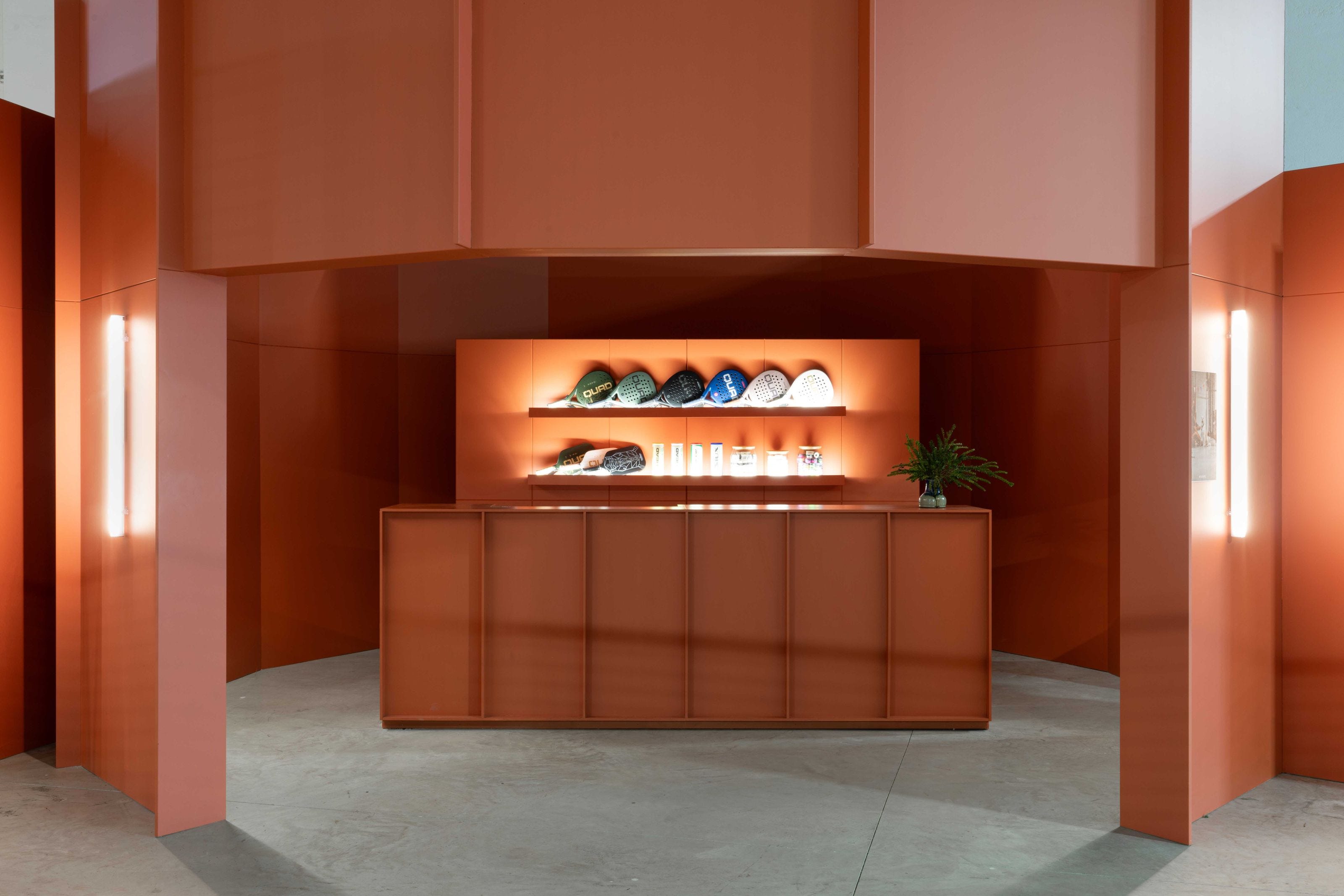
If Erewhon opened a Padel club in Libsoa, we imagine it would look something like what Salto Studio created.
The Chanel ad campaign feels… alive.

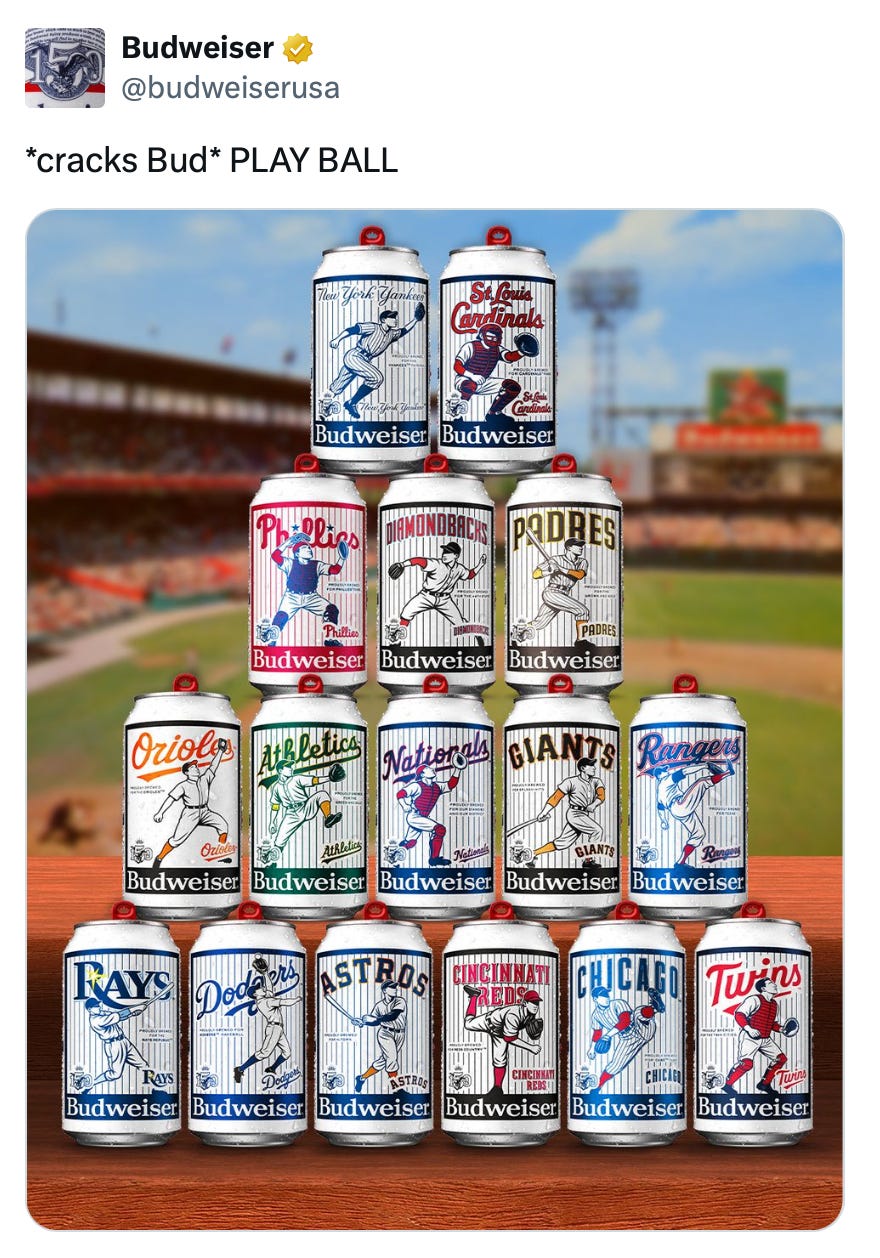
Did not have Budweiser CPG packaging 10/10 on my 2026 bingo card.
Enough time has passed post-Brat for another generator contender to emerge.

We have so many topics in the queue around the new internet, pricing, archetypes, back soon!
Hyper <3’s you
all of this sounds fantastic. What do you do if you are in the era where you are wearing every hat? It seems just overwhelming