


A happy Thursday to you all. This week, Clayton unpacked how rock climbing became a status symbol through fashion, while Oren explored Tokyo’s famous Karimoku Research Center, a listening room exhibition featuring Devin Turnbull’s work.
In this HYPER edition, we talk about world building in sports, influencer tactics, Oren reports live from Shoptalk… and protein cereal.
Let’s begin!
World-building is…
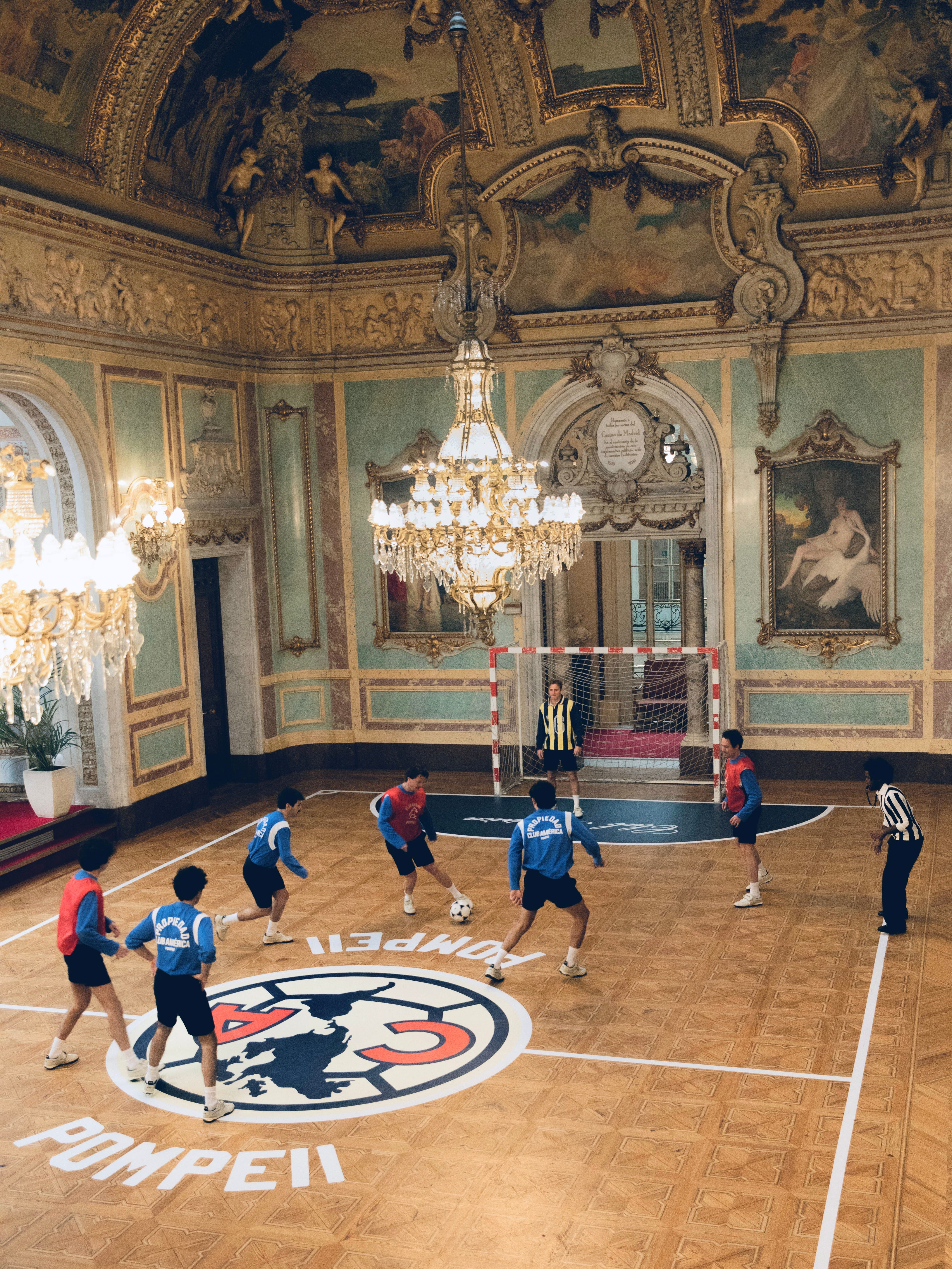
Taking over the Casino de Madrid to host a football match as the backdrop for your new collection.
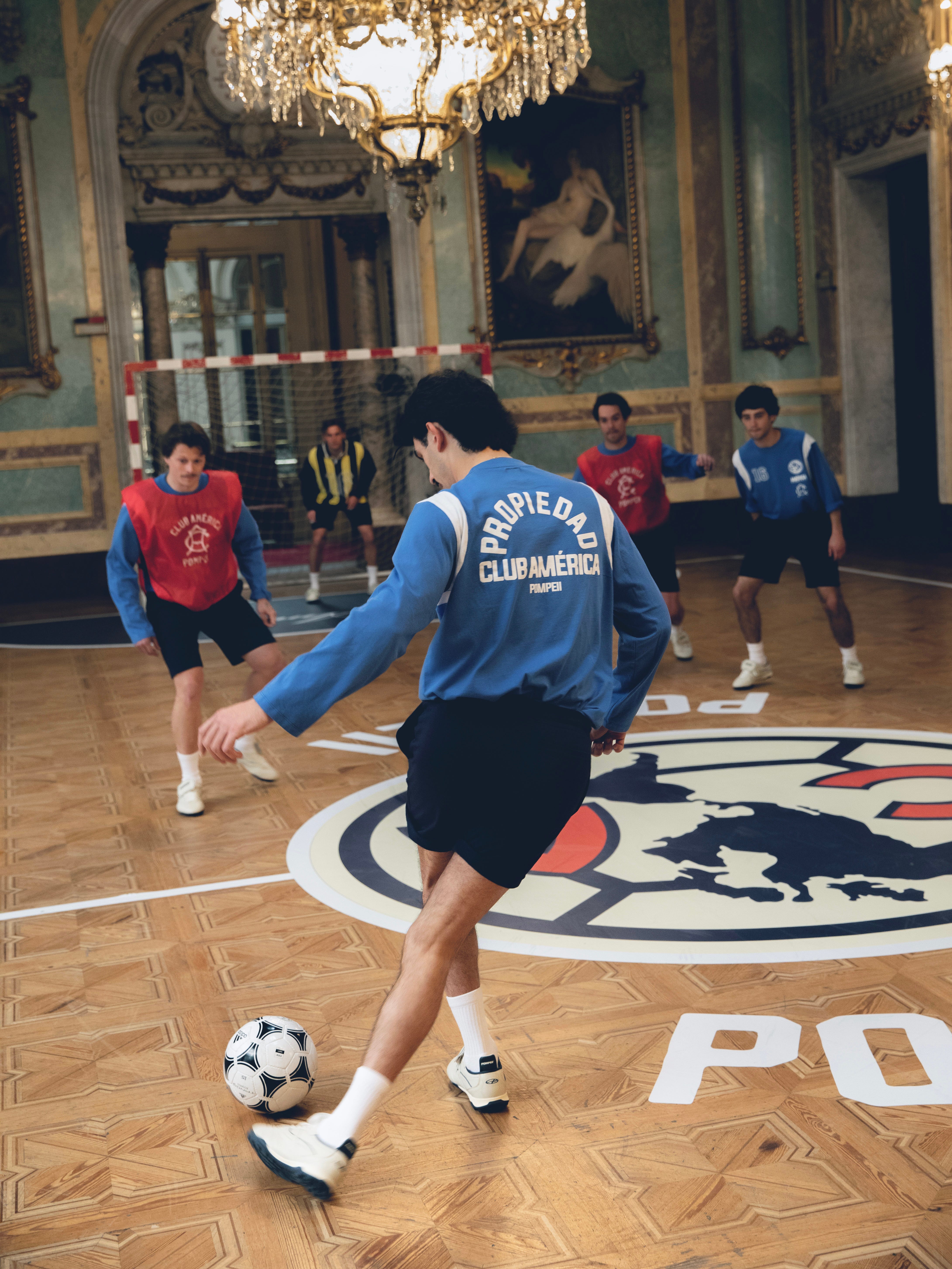
That’s what Pompeii (a Madrid-based clothing brand) did for their most recent sport-themed collab between them and Club América, based in Mexico.
And they simply did not have to go this hard.
Rumour has it the Baroque-inspired ballroom cost around €9,000 to rent out for the shoot, an amount which brands easily spend on location-based shoots. And we talk about this all the time, but brands often sell their creativity short by not thinking through the details. When, instead, they should be renting out ornately designed ballrooms.
We talk about this all the time, but brands consistently sell their creativity short by not thinking through the setting. The product is only half the story. The environment you put it in is what makes people stop and pay attention.
Pompeii could have shot this in a basic studio, and nobody would have blinked. Instead, they created tension between the product and the place, and that tension is what made the whole thing memorable.
If you’re a brand planning a campaign right now and your shoot location doesn’t make someone do a double take, you might want to rethink it.
How to build your own influencer strategy
Every brand asks “what marketing should I concentrate on first,” and then quickly to, “where do I scale?”
Here’s the path we suggest…
1. You need to get one profitable scaling channel of the two below
Owned organic social - getting views through your own social media and team accounts, typically on IG or TikTok
Paid ads - paid advertising on online platforms - most often Meta, Google, or TikTok
2. Then from there, you graduate up
Add on external parties that pour the fuel on the fire of both of the above giving more conversation happening about your brands online organically, and giving you more tools to advertise in step 3
Paid influence - paying influencers to promote your product
Seeding - giving product away for free
3. As these succeed, utilize that content as part of your paid funnel
Whitelisting - running ads on others content about your product, shown from their account
Repurposing - taking content from the network it started on (a TikTok shop influencer post for example) and testing it on other networks
90% of brands pushing both online and retail sales don’t need to do more than the playbook above, and instead need to focus on the scale and quality of the execution there, and shifting it in real time as the goalposts of content online change.
In section two especially, brands have a hard time figuring out the playbook.
How do you quantify influencer marketing?
What tools should I use for my programs?
How do I negotiate without compromising the relationship?
What KPIs should I report to my org?
Who can help me execute this?
To help with this, our friend Josh and the team at Aligned Growth Management, an influencer management agency who have worked with Ghost Energy, Hexclad, FabFitFun, Owyn, Heart & Soil put together a detailed Influencer Marketing playbook free guide that breaks all of the above down.
Grab it below and get your blueprint to properly integrate influencer marketing into your brand’s growth arc.
This segment is in partnership with Aligned Growth Management
Live from Shoptalk
This is Oren, reporting to you live from Shoptalk, a conference that is focused on connections and solutions for the retail and ecommerce industries, featuring the biggest players selling consumer products.
A few notes on the discussion on the show floor.
We are in the age of incredible tools, and the announcements are coming so fast and furious that every marketer feels overwhelmed and has no idea what even to look at. It’s basically a job just to keep up with whats happening and can be implemented.
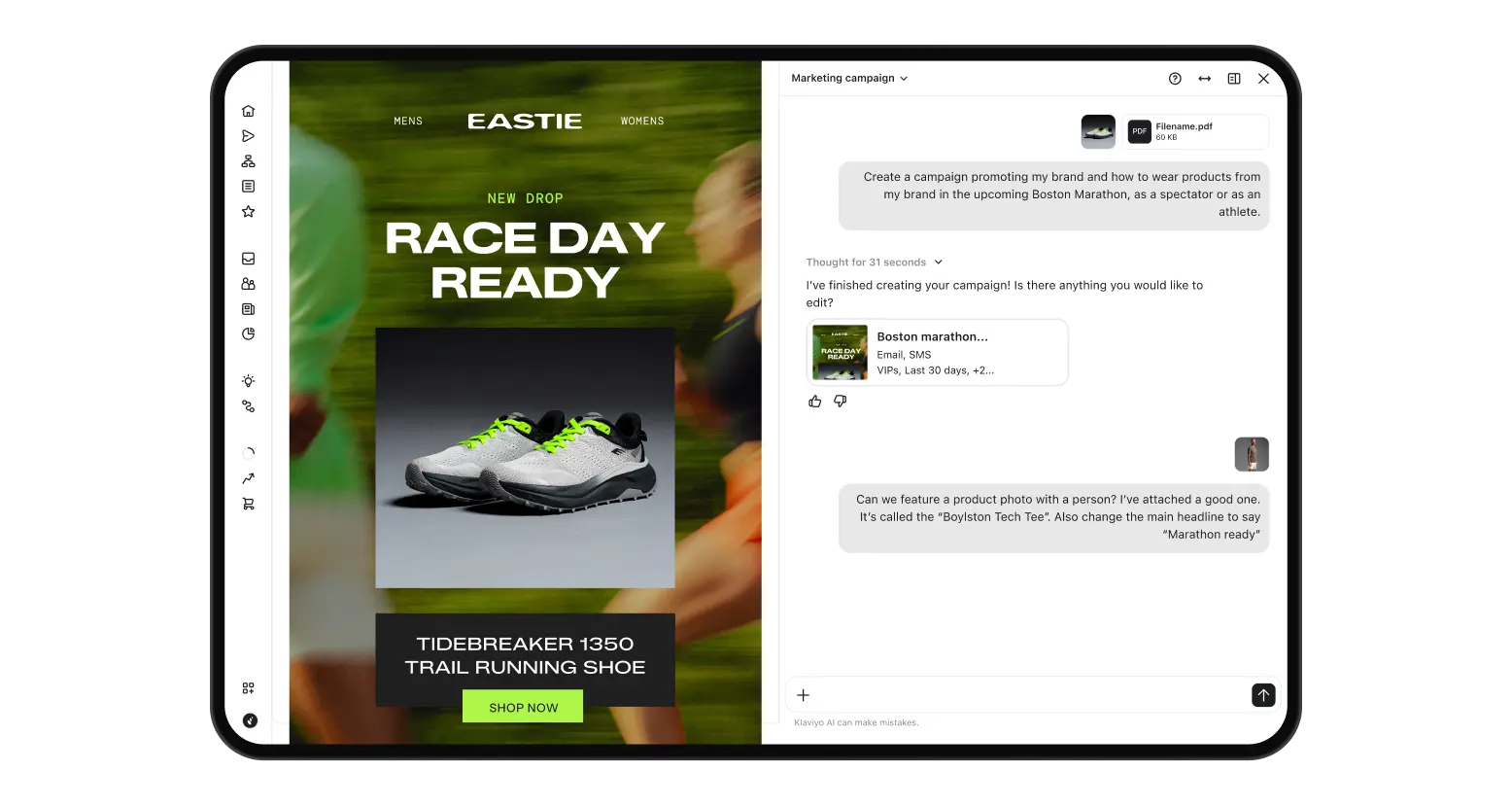
One standout - I am there with Klaviyo for their release of Composer, a very useful tool for email marketers that will generate full email And SMS campaigns using your brand kit, website and assets, completely ready to go in Klaviyo, with segments and campaign setup.
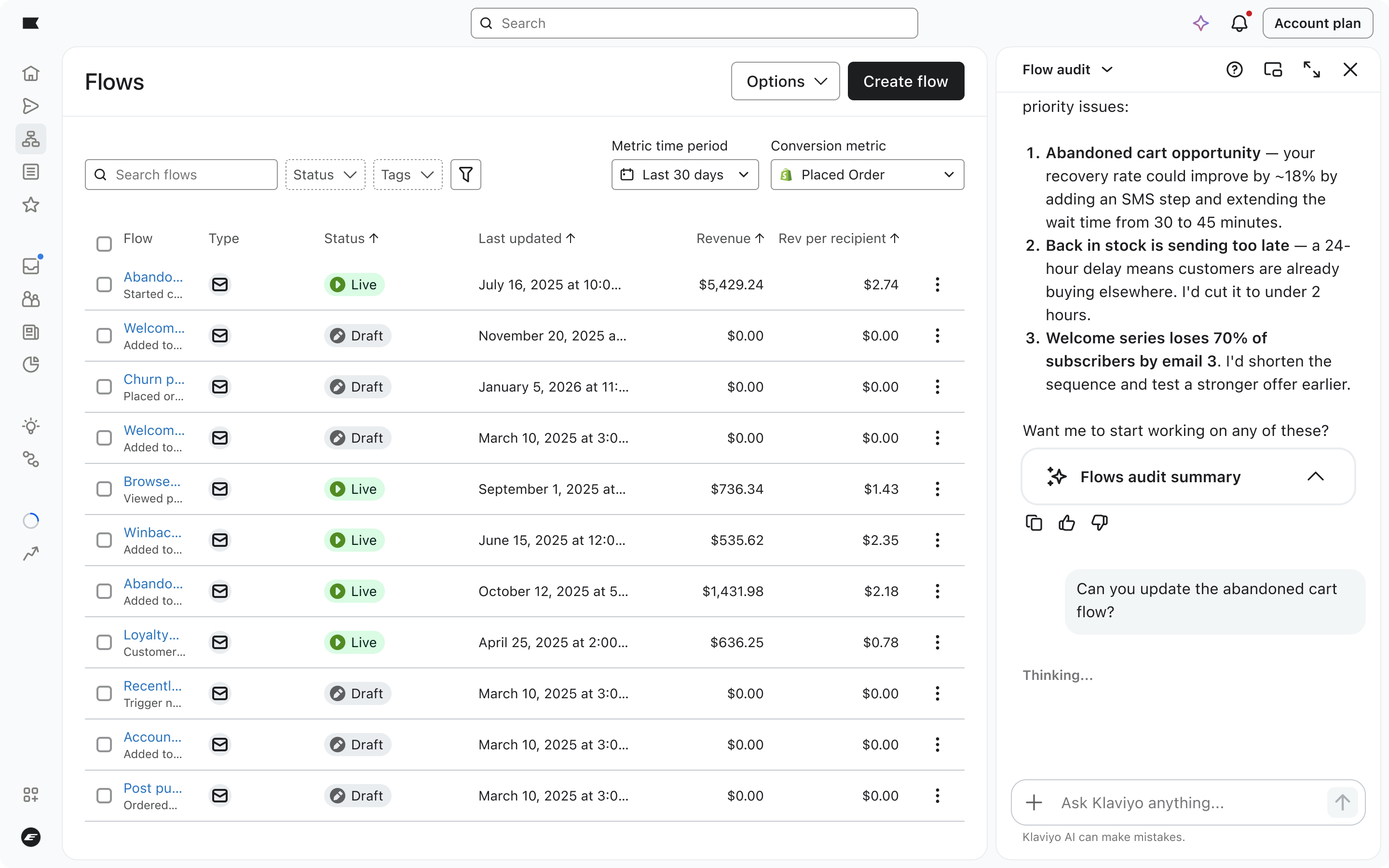
Even better is that this same tech will show you optimizations and issues in your flows, and you can simply... ask them to fix it and deploy. The time you spent deep in automation setup and optimization is now being able to be done just by asking in chat. Pretty incredible, and you can get on the waitlist here.
Disclosure: I am promoting this feature via video, but sharing here because… its great.
The second big note is brands are realizing the dissonance in their spend and what’s happening in the world. The recurring topic that came up with marketers at massive brands I talked to is their programmatic spends and agency budgets are full of waste, they know smaller brands are savvier and doing more with less, and their caught between the large agencies with the clout and scale to win their RFPs and the smaller groups with the savvy to help them market correctly in the modern era.
There’s a reckoning coming.
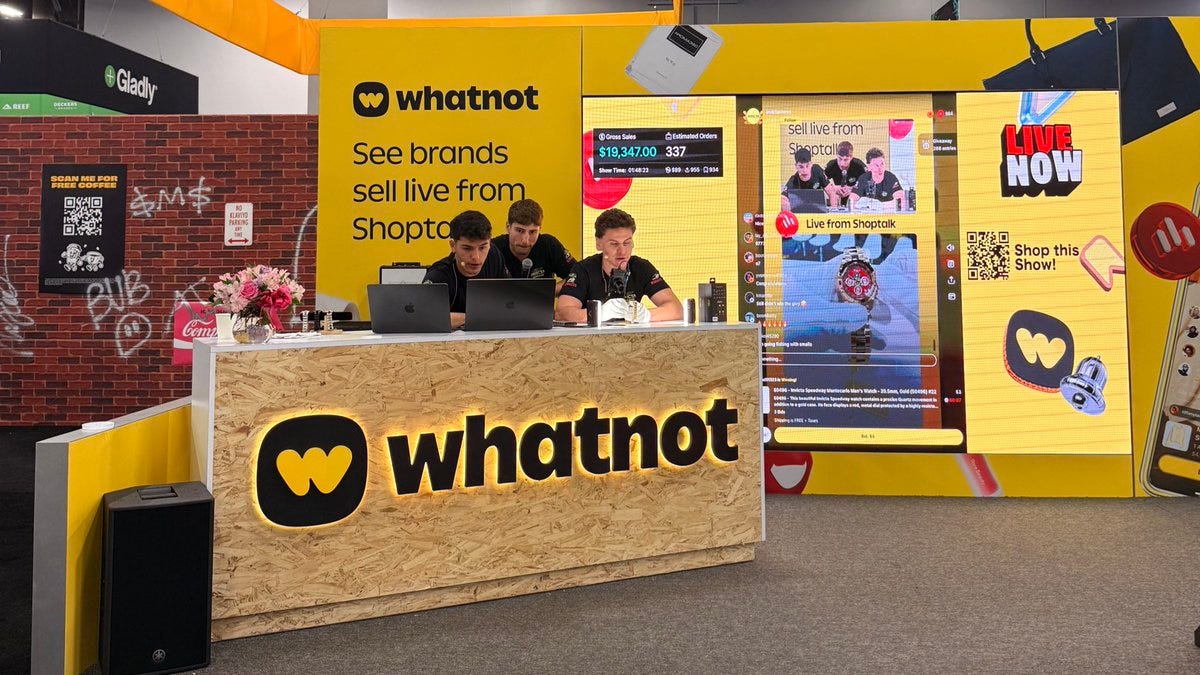
And last, most execs don’t know what live selling is, and certainly haven’t seen it happen, so Whatnot had the lads selling watches live on the internet direct from their booth. Fun activation.
The protein(ifcation) of everything
Who needs good old-fashioned Magic Spoon protein cereal when you can have… ground beef-infused protein… cereal?
Look, we didn’t have ground beef cereal on our bingo cards for 2026, but here we are.
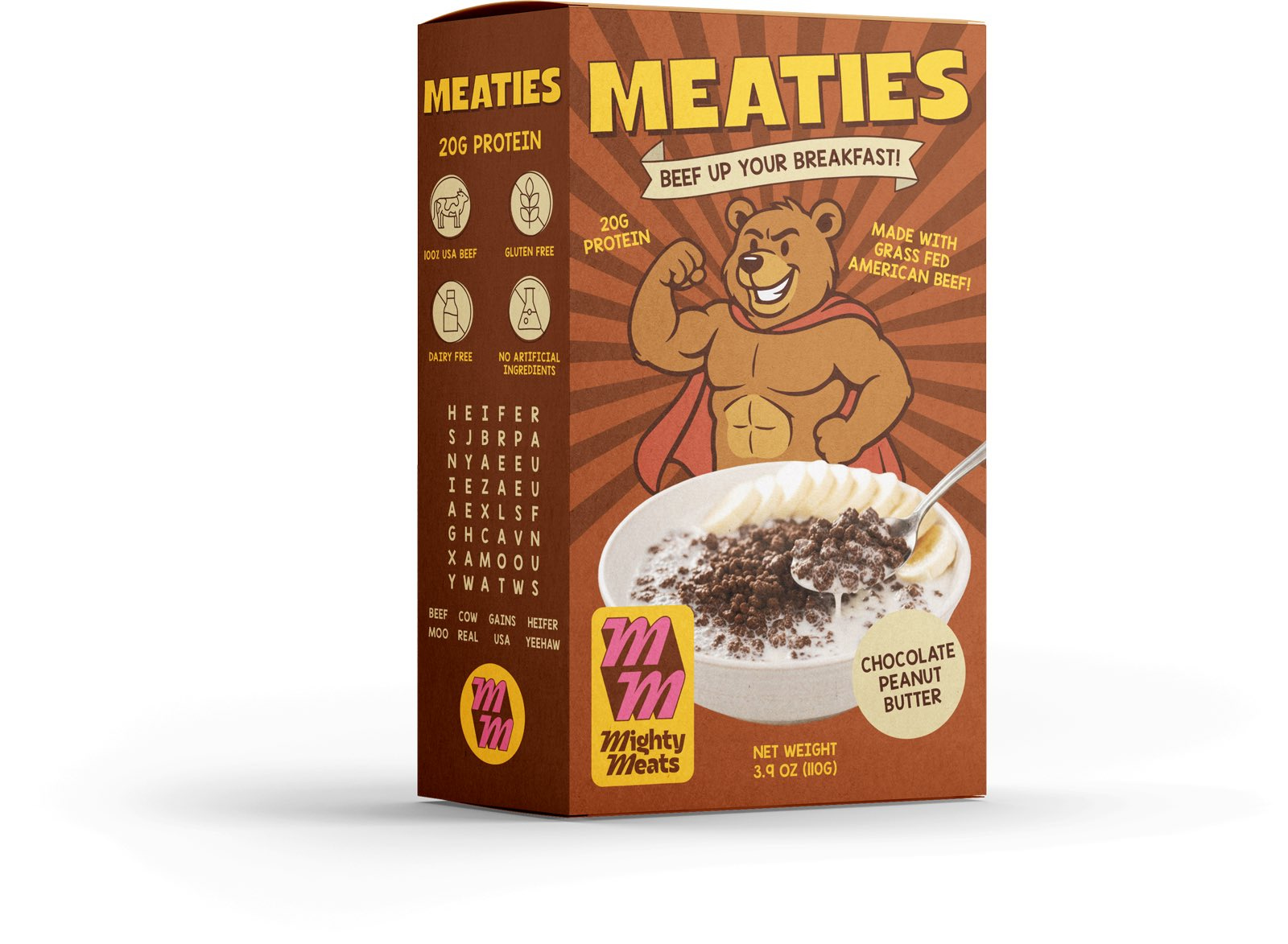
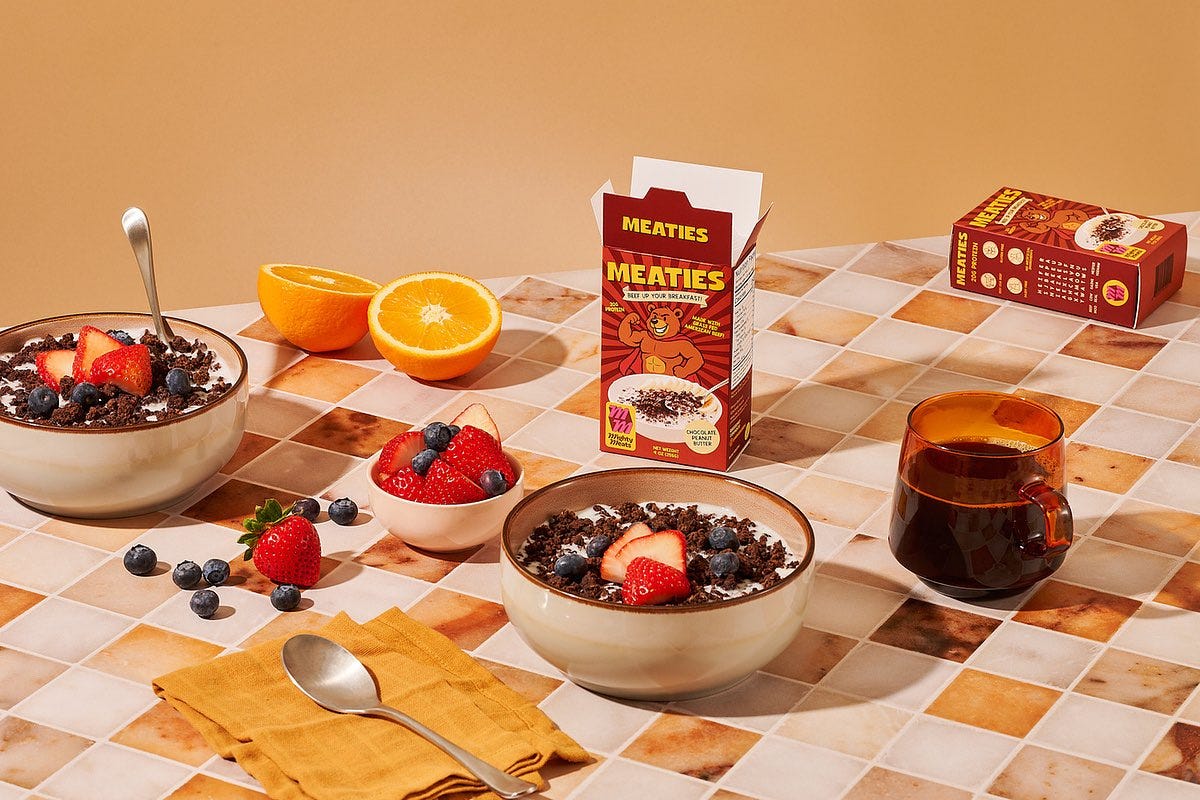
Does it taste good? Not sure. And also not sure if I’d want to find out, but one thing is for certain: a single box if $14, and it’s currently sold out.
And the reality is that it points to a bigger trend we’re noticing on the product side in CPG: the proteinification of all things (yes, that’s a new word).
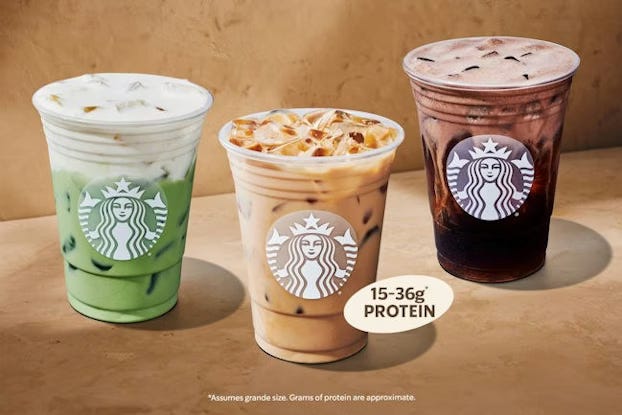
Starbucks has been rolling protein-infused coffee drinks over the last year.
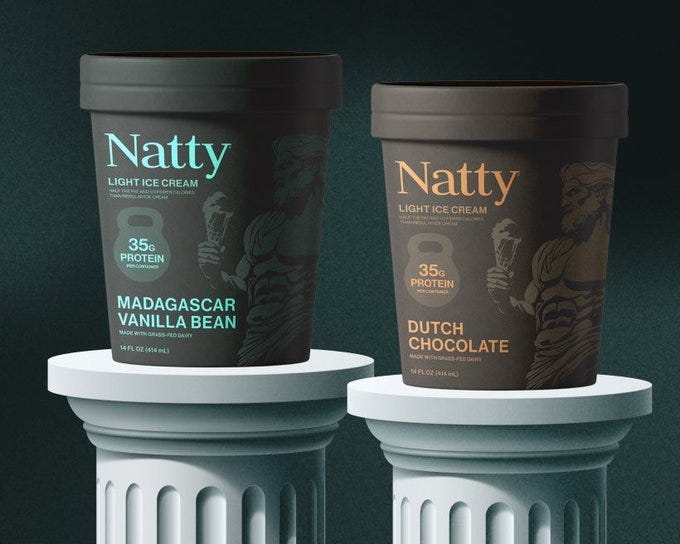
DAVID (yes, that David) is putting protein in ice cream. So is Natty, in a push to dethrone the Halo Tap.
On a mainstream level, Costco’s protein bars have become a cultural phenomenon. Even water brands are getting in on it. It feels like every legacy category is getting a “now with protein” remix, and consumers keep buying it.
The wellness-to-fitness pipeline has completely shifted how we shop for food. If you look back five years ago, the old playbook was about removing stuff: no sugar, no gluten, no dairy, no artificial anything.
Now, we’re in a moment of addition. People don’t just want to avoid the “bad,” they want their food to actively do something for them. And protein is clearly one of the easier ways to solve for this.
And thinking through the mechanics of this, it almost feels like a cheat code. Adding protein to an existing product lets you charge a premium, reposition it in the wellness aisle, and tap into consumers who’ve already been primed by the fitness content they consume on social media.
But does this have staying power, or is it the CBD, where everyone rushes in, pumps the market with mediocre products, and then consumers move on?
Feels like a toss-up. Protein does seem stickier because it’s tied to something fundamental (i.e., people want to be strong and healthy).
But the brands that will win long term are the ones that make it taste good and feel like a real product, not a supplement with better packaging.
In the meantime, enjoy your $14 bowl of ground beef cereal.
Why BTS works as a content medium
We’re obviously seeing tons of creators use IG as a primary channel for building brands, as an extension of the content they already make. CatGPT is launching a creator studio where people can come in and build things out of a huge warehouse, and she’s creating massive FOMO by inviting you into the journey through showing you what the space actually looks like.
This German design studio made a video showcasing their work by revealing the process of outfitting a physical space, the labor and detailing that went into it, and how it all came together.
Meanwhile this content creator in Seattle breaks down how much it actually costs to open a second location for his coffee + tea bar.

It really doesn’t matter what you want to make content about. There is simply a through-line, angle, and anchor piece of content for anyone who wants to yap. So find whatever that is, and start recording!
Quick hits
Framer has launched their “State of Sites” industry report on websites with results from surveying 1900 professionals.
Darkroom is looking for a senior director for their content studio, a very unique role for someone content savvy.
A good thread on why not to ignore Youtube ads
Until next time,
Clayton & Oren